
Last updated October 16, 2026
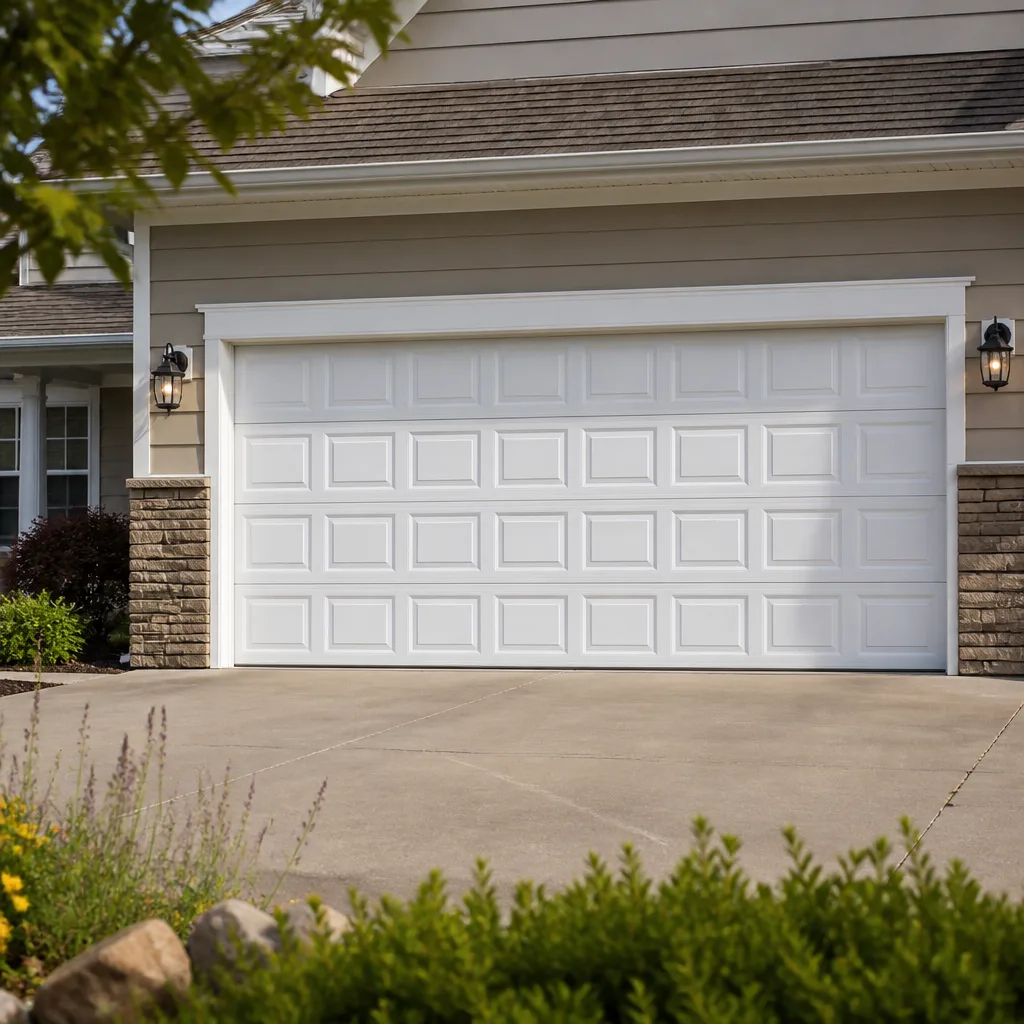 Raised-panel steel
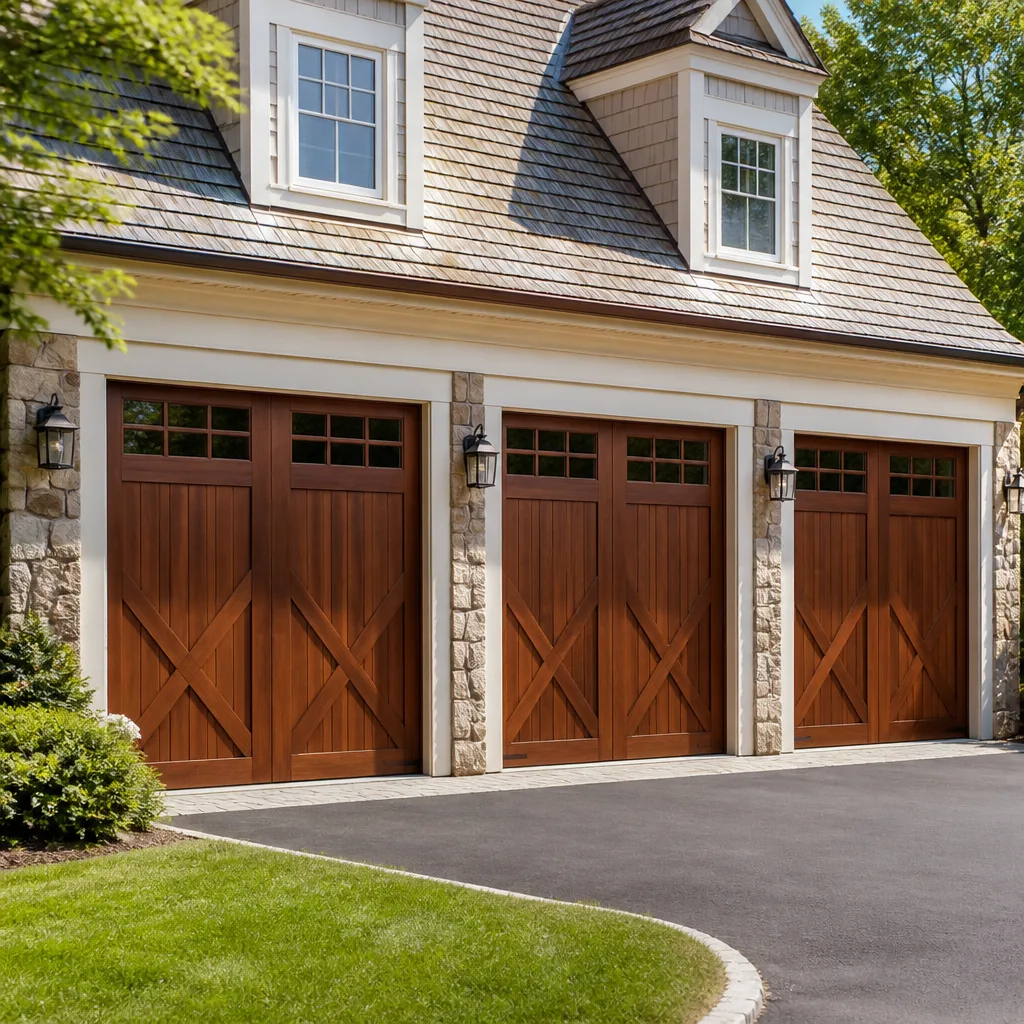 Carriage house
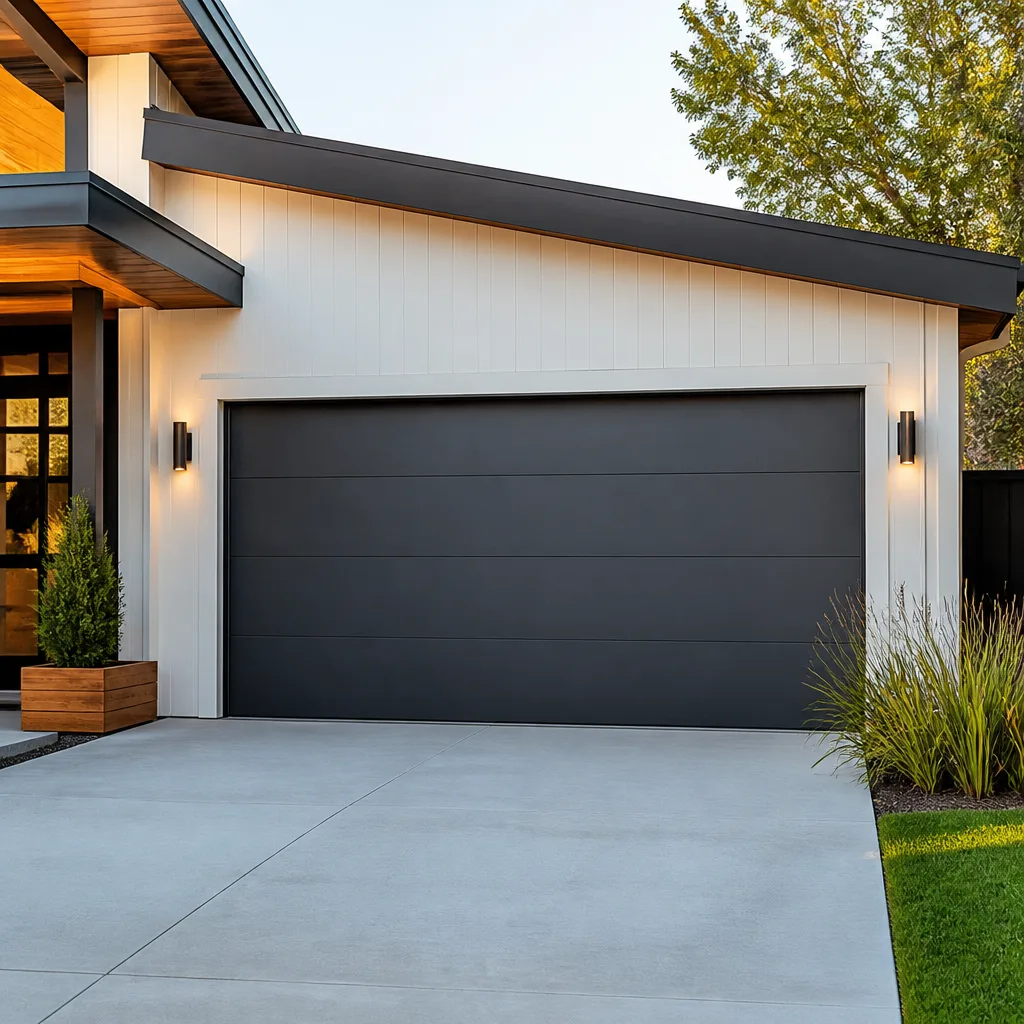 Modern flush
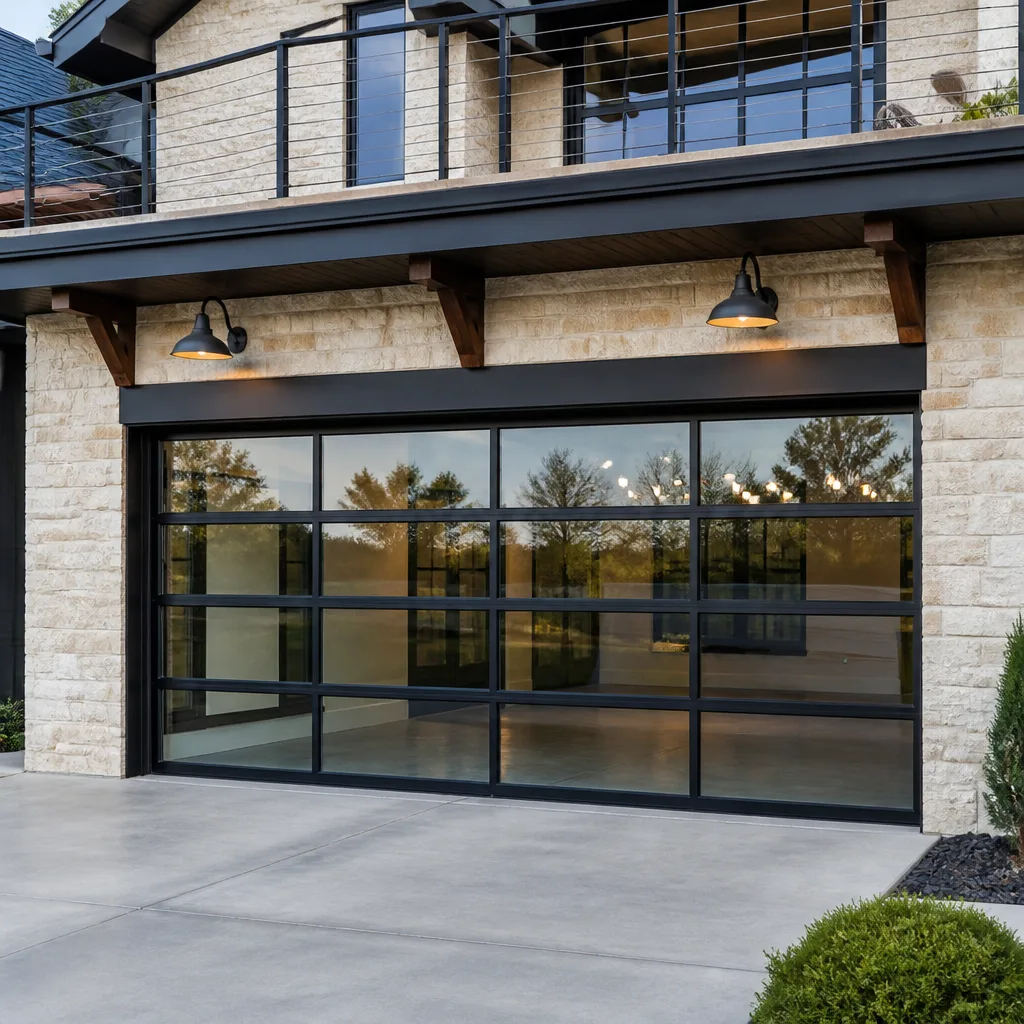 Full-view glass
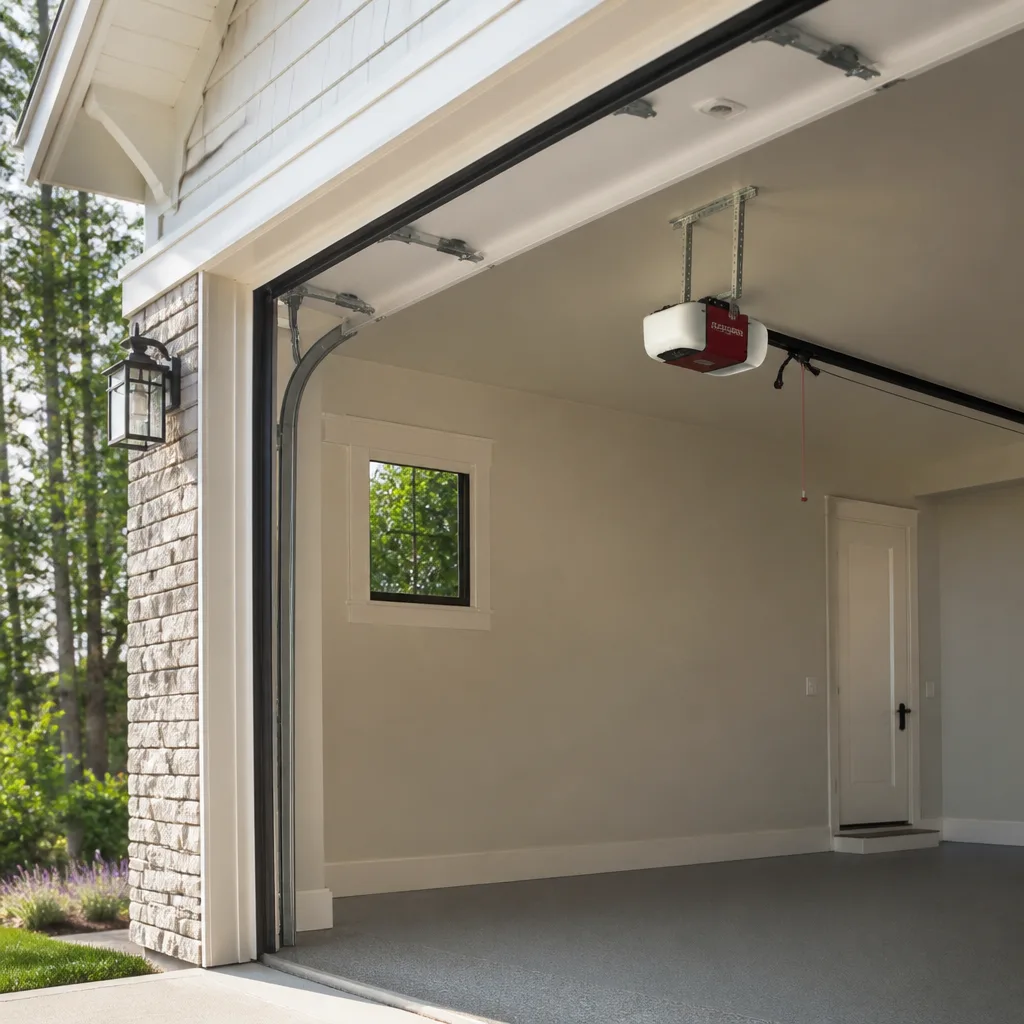 LiftMaster openers
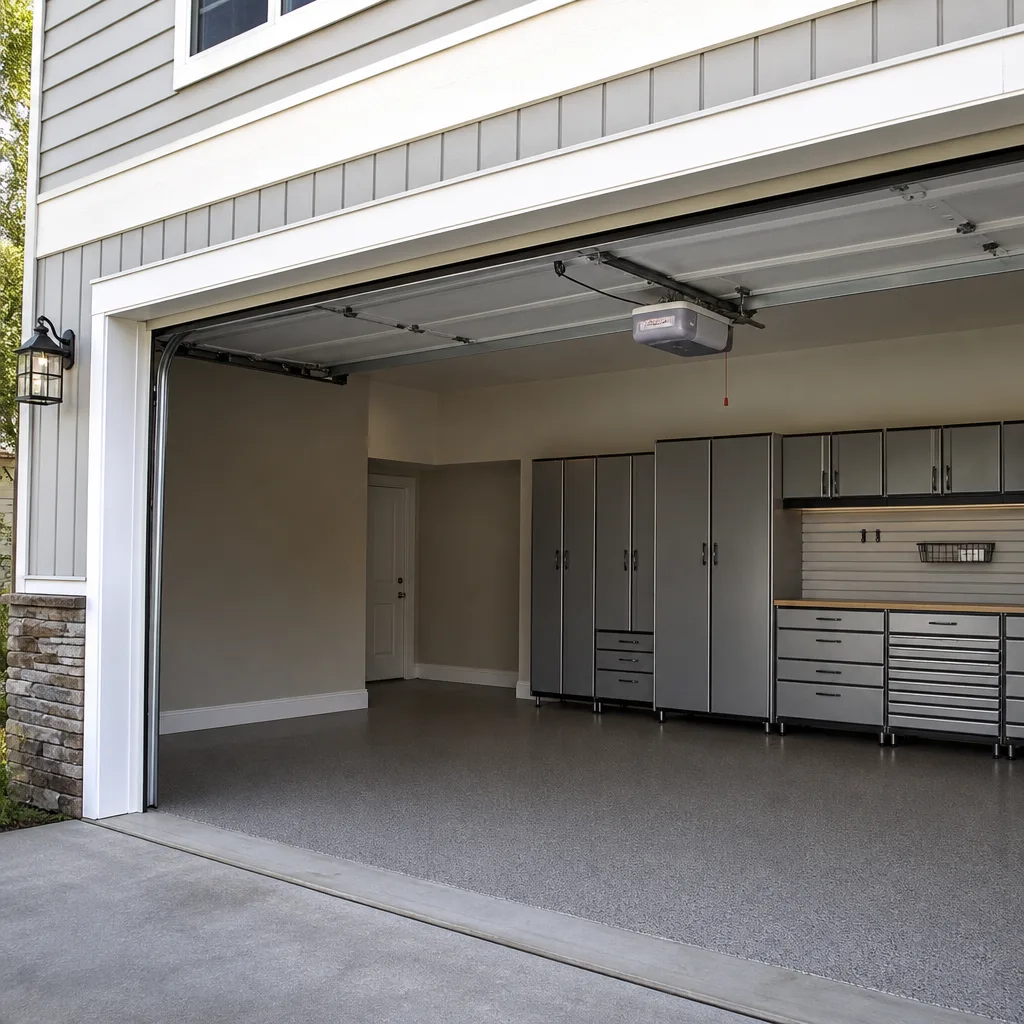 Chamberlain openers
Full 25-point door and opener safety check with every visit - springs, cables, rollers, tracks, and your LiftMaster or Chamberlain opener included
You get a price before we start. It does not change when the truck arrives.
Get your free estimateThe Complete Guide to Garage Door in Torrance
The average Torrance homeowner can name every appliance brand in their kitchen but can’t identify whether their garage door uses a torsion spring or an extension spring. That one distinction changes repair costs by hundreds of dollars. This guide maps every component, cost, and decision point in plain language so you can evaluate a repair quote the way you’d evaluate a car diagnostic, with context and confidence. For more guides & resources, see our blog. We’re writing this from Torrance, where salt air and tract-home architecture create a specific set of garage door patterns we see every week.
Styles & brands we work with
Quick Answer
A garage door is a system of counterbalanced panels, springs, cables, tracks, and an opener that together move a 150 to 250 pound object roughly 1,500 times a year. In Torrance, the typical home uses either a torsion spring system (a coil above the door) or an extension spring system (stretched springs along the horizontal tracks). Repair costs in Torrance run $120 to $450 for most mechanical fixes, and knowing your spring type plus the age of your door will tell you whether a repair or replacement is the smarter spend.
Table of Contents
- The Anatomy of a Garage Door System
- Torsion vs. Extension Springs: What You Have and Why It Matters
- How Torrance’s Climate Affects Your Garage Door
- What Each Repair Actually Costs in Torrance
- Repair vs. Replace vs. Upgrade: A Decision Tree With Real Dollar Thresholds
- What Full-Visibility Service Looks Like (And What the Industry Normally Offers)
- A Seasonal Maintenance Routine for Torrance Homes
- Common Mistakes to Avoid
- When to Call a Professional
- Frequently Asked Questions
- The Bottom Line
The Anatomy of a Garage Door System
When a garage door stops working, the problem usually traces back to one of six parts. Understanding what each one does solves half the phone call before it happens. Here’s the component map, starting with what you can see from inside your garage.
The Panels
These are the horizontal sections that fold as the door travels upward and back. Most Torrance homes built between 1960 and 1990 have steel panels with a wood-grain texture. Newer homes in communities like Southwood and Hollywood Riviera tend toward flush steel or recessed panels. Panels themselves rarely fail on their own, but a bent panel from a car bump or a kid’s basketball can throw off the door’s balance and accelerate wear on everything else.
The Springs
Springs do the actual heavy lifting. The opener only guides the door; the springs counterbalance the weight. A door without functioning springs won’t move reliably even with a brand-new opener. We’ll cover the two spring types in depth below, because this is the part that breaks most often and costs the most when addressed late.
The Cables
Cables are the braided steel lines that connect the bottom of the door to the spring system. They carry the spring’s counterbalance force to the door itself. When a cable frays or snaps, the door hangs unevenly or drops to one side. In Torrance, cable corrosion shows up faster than in inland cities, especially for homes within two miles of the coast.
The Drums
Drums are the grooved wheels at each end of the torsion shaft above your door. The cables wrap around these drums as the door moves. When a drum’s grooves wear unevenly, the cable stacks unevenly and the door rattles or jerks. This part is small, often overlooked, and directly tied to cable lifespan.
The Rollers and Tracks
Rollers are the small wheels attached to the door’s sides that ride inside the vertical and horizontal tracks. Steel rollers with ball bearings last longer and run quieter than plastic rollers. Tracks are the rails that guide the door’s path from vertical to horizontal. Bent or misaligned tracks are a common culprit behind grinding sounds and a door that sticks partway up.
The Opener
The opener is the motorized unit mounted to the ceiling. It pulls a trolley along a rail, and that trolley connects to the door. Openers don’t lift the door themselves, they move it, and the springs do the weight-bearing. That’s why replacing an opener without addressing a weak spring system leads to a second repair within months.
Torsion vs. Extension Springs: What You Have and Why It Matters
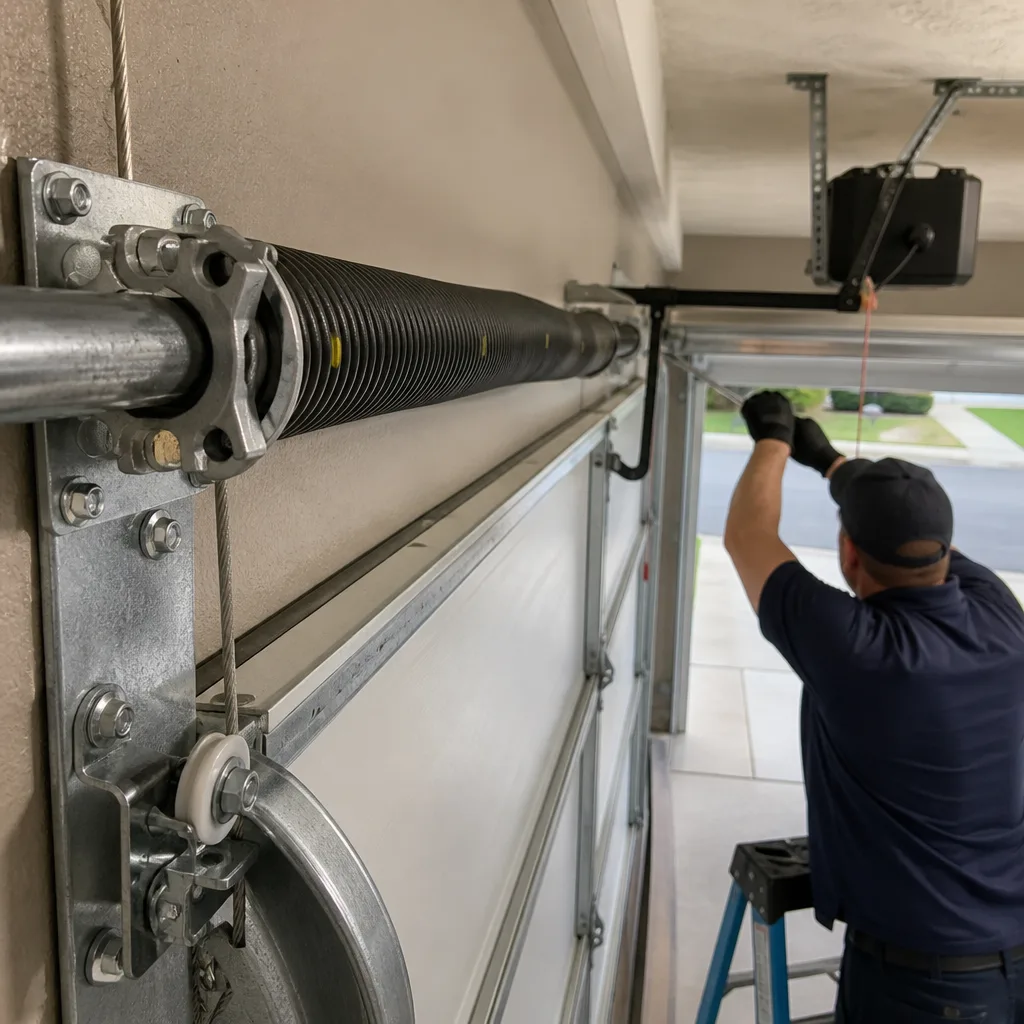
If you learn one thing from this guide, make it this. Torsion springs sit above the door, mounted horizontally on a shaft. Extension springs stretch along the upper horizontal track on each side. The difference matters because torsion springs are safer when they fail, hold up better over time, and cost more to replace. Extension springs are cheaper to replace but fail more violently, and older systems without safety cables pose a real injury risk when they snap.
How to Identify Yours in 5 Seconds
- Stand inside your garage and look above the closed door.
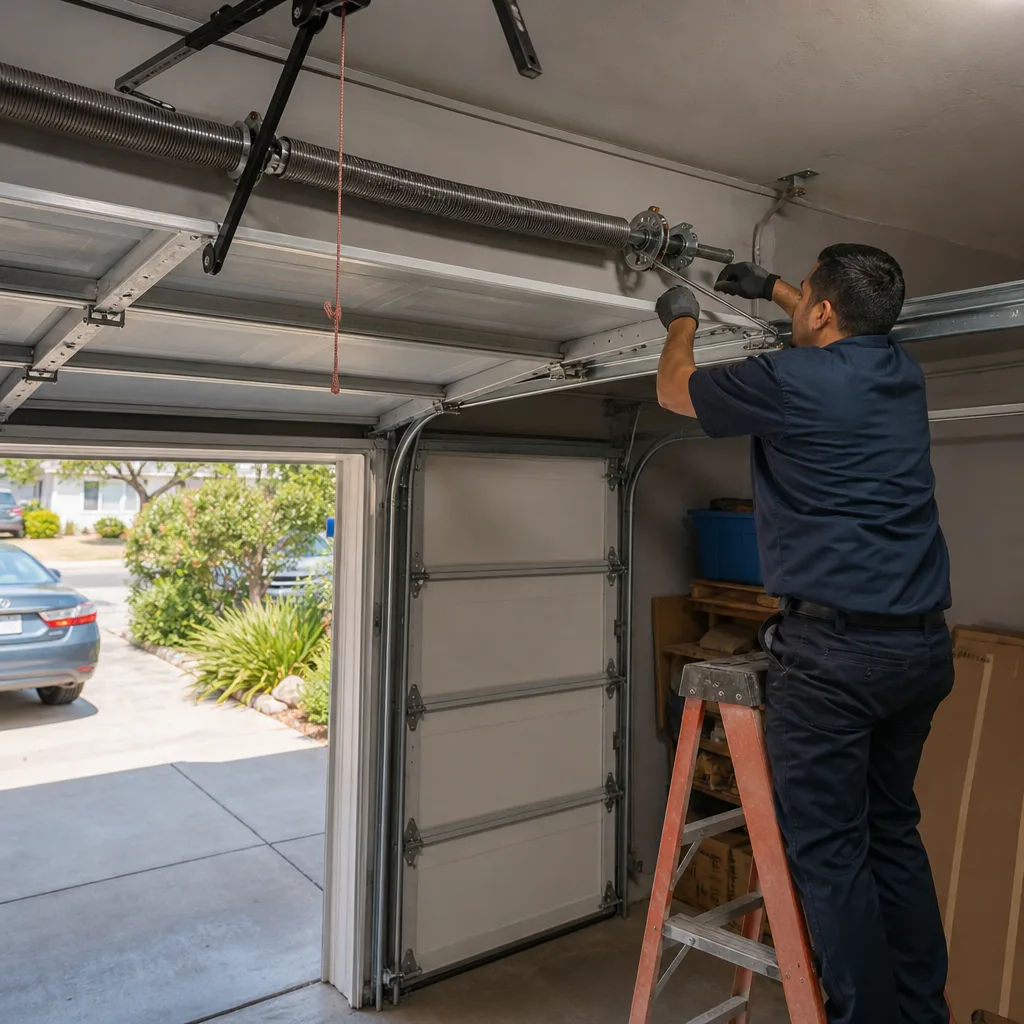
- If you see one or two thick coils mounted horizontally above the center of the door, you have a torsion system.
- If you see long, thinner springs attached to the horizontal tracks on either side, you have an extension system.
- If your door is a single-piece tilt-up door, it may use extension springs along the sides at the top.
Which Is More Common in Torrance?
Torsion springs dominate. Most Torrance tract homes built from the 1970s onward came with torsion systems, and builders in communities like New Horizons and Seaside Ranchos standardized on torsion hardware. Extension springs still show up in older South Bay homes, particularly pre-1960 builds near Old Torrance and Walteria. If you’re unsure which you have, the answer is usually visible without touching anything, as described above.
Why This Matters at Repair Time
Torrance spring replacement typically runs $150 to $290 for extension springs and $220 to $450 for torsion springs, depending on spring size, cycle rating, and whether you’re replacing one or both. A repair quote that doesn’t distinguish between these two systems is a quote from someone who hasn’t looked at your door. We always identify the spring type in writing before quoting a number.
For a deeper look at spring mechanics and local pricing, see our Garage Door Spring Repair in Torrance guide.
How Torrance’s Climate Affects Your Garage Door
Torrance sits at a specific intersection of coastal salt air, marine-layer humidity, and moderate but consistent temperature shifts. That combination wears garage door hardware differently than it wears equipment in Riverside or the San Fernando Valley.
Salt Air and Metal Fatigue
Homes west of Hawthorne Boulevard, particularly in Hollywood Riviera, South Redondo Beach adjacent communities, and anywhere within about two miles of the Pacific, get measurable salt exposure. Salt accelerates corrosion on exposed steel cable strands, track brackets, and spring coils. In our experience, a cable that lasts 10 years in central Torrance may last 6 or 7 in the Riviera. That’s not alarmism, it’s chemistry. Galvanized cables and powder-coated springs slow this down, which is why we recommend both for coastal addresses.
Marine Layer Moisture
The morning overcast that rolls through from May through August keeps outdoor hardware damp for hours each day. That moisture settles into the bottom brackets and rollers, creating the rust streaks you may have noticed on the track. Surface rust on a track isn’t urgent; rust that has pitted the cable or seized a bearing is. A silicone-based lubricant applied twice a year to the rollers and hinges, never the track itself, keeps moisture from doing deeper damage.
Temperature Swings and Spring Lifespan
Torrance rarely sees extreme heat or cold, but the daily swing between foggy mornings and warm afternoons causes metal to expand and contract. Springs are rated for a cycle count, typically 10,000 cycles on a standard spring. Each open-and-close movement counts as one cycle. A family that enters and exits through the garage four times a day puts about 1,460 cycles on the springs yearly. A 10,000-cycle spring should last close to seven years under that load. If your springs failed at year three, they were either undersized or already aged when installed.
What Each Repair Actually Costs in Torrance
You deserve real numbers. These are the ranges we quote in Torrance for common repairs, and the exact price on your job is stated in writing before any wrench turns. See our Garage Door Cost Breakdown: The Torrance Homeowner’s Reference for 2026 for deeper detail.
- Extension spring replacement: $150 to $250 for both springs. Includes safety cables if missing.
- Torsion spring replacement: $220 to $450 for both springs, depending on shaft size and cycle rating.
- Single cable replacement: $120 to $200. We replace both cables when one shows visible wear.
- Roller replacement (all rollers): $130 to $220, depending on steel bearing quality.
- Track realignment: $110 to $190 for minor bends, more if a section needs replacement.
- Opener troubleshooting and minor repair: $100 to $250, excluding new opener cost if the unit is beyond repair.
- Full opener replacement: $350 to $650 installed, depending on motor type and drive system.
- Full door replacement: $1,200 to $3,800 depending on size, insulation, windows, and steel gauge.
These are mid-2025 ranges for Torrance’s market. A quote well below these numbers usually means the technician plans to upsell elsewhere or is installing low-cycle springs that fail in two years. A quote well above these numbers should come with a clear explanation of what’s different about your door.
For the complete local pricing breakdown, read our Garage Door Repair in Torrance cost guide.
Repair vs. Replace vs. Upgrade: A Decision Tree With Real Dollar Thresholds
Not every broken door deserves a repair. Not every old door deserves a replacement. The math gets clearer when you apply honest dollar thresholds to a few key questions, as explored in our DIY vs Professional Garage Door: The Torrance Homeowner’s Decision Guide.
- Add up repairs from the last three years. If you’ve spent more than $600 on separate repairs since 2023, the door is aging out. A single repair can be a fluke. Three repairs are a pattern.
- Check the panel condition. Bent or dented panels on an otherwise functional door are cosmetic, usually not worth replacing the door over. But if a panel is dented and the door is 20 years old, replacement looks smarter than patching.
- Assess the spring system age. Unknown age plus visible rust on torsion springs means replacement is likely within 18 months. Plan for it on your schedule rather than on an emergency timeline at 7 a.m. on a Monday.
- Weigh insulation value. If your garage is attached and shares a wall with a bedroom, an insulated door with an R-value of 9 or higher makes a noticeable temperature difference. That’s an upgrade argument, not just a repair argument.
- Compare repair cost vs. replacement cost. As a rule, if a single repair quote exceeds 50 percent of a new door’s installed price, replacement wins. That’s our own threshold, and it’s held up over 20-plus years in Torrance homes.
Replacing with a modern door from a brand like Clopay or Amarr also gets you updated safety features: pinch-resistant panels, tamper-resistant brackets, and a door that weighs less, which extends the life of every spring and cable attached to it.
What Full-Visibility Service Looks Like (And What the Industry Normally Offers)
The garage door industry has a reputation problem. Technicians quote a vague range, arrive late, and then revise the number upward once the door is apart and the homeowner is committed. You have probably experienced this yourself or heard about it from a neighbor.
That’s not how it has to go. Here’s what full visibility includes, and what to demand from any provider in Torrance.
- A live arrival window you can track. Not a four-hour bracket, not “sometime between noon and 5.” A real arrival estimate that updates as the tech gets closer.
- A written price before work begins. Not a verbal estimate. A written number that matches the final invoice, every time.
- Before-and-after photos. You should see what the tech saw and what was fixed, even if you couldn’t stand in the garage the whole time.
- A guarantee with a name and a term. Ours is the 365-Day Done Right Promise. If the repair fails within a year, we fix it without another invoice.
- Brand familiarity before arrival. A tech trained on LiftMaster, Chamberlain, Genie, Clopay, Amarr, Wayne Dalton, Craftsman, and Raynor knows your specific door’s hardware before they ring the bell.
At Marlow Garage Door Repair Torrance, every call operates under The Relay Visibility Guarantee. That means the live arrival time, the written price, the photos, and the digital invoice you pay from a secure link are standard protocol, not upgrades you have to ask for. Led by Jaylen Ross, our team has served Torrance since 2002 under that same standard.
A Seasonal Maintenance Routine for Torrance Homes
Garage doors don’t need monthly attention. They need four short check-ins a year and one annual lubrication session. Here’s the routine we recommend, sized for Torrance’s climate.
Spring Check (April)
- Open the door halfway and release the opener (use the red cord only when the door is closed or fully open to avoid a sudden drop).
- The door should stay in place, not drift up or down. If it drifts, the springs are losing tension.
- Inspect both cables near the bottom brackets for rust spots or frayed strands.
Summer Check (July)
- Look for rust streaks on tracks and brackets, especially if you’re within two miles of the coast.
- Wipe down the tracks with a dry cloth. Don’t grease the tracks; grease collects grit.
- Listen for grinding during operation. That’s a bearing or roller issue, not something that resolves on its own.
Fall Check (October)
- Test the auto-reverse feature by placing a piece of wood flat under the door and closing it. It should reverse within two seconds of contact.
- Check the photo-eye sensors near the floor. Clean the lenses with a soft cloth if dusty.
- Tighten any visible bolts on the track brackets with a socket wrench.
Lubrication (Every 6 Months)
Use a silicone-based spray lubricant on the springs, hinges, and rollers. Avoid WD-40, which displaces the grease the bearings need. Two minutes of lubrication twice a year is the cheapest longevity insurance your door will ever get.
Common Mistakes to Avoid
- Ignoring a sagging door. A door that hangs slightly low when open means spring tension is dropping. Every week you postpone the fix, the extra load shifts onto the opener motor, shortening its life.
- Lubricating without the right product. Grease on the track attracts salty Torrance air grit, which grinds down rollers. Silicone spray on springs and rollers only, dry tracks always.
- Replacing the opener when the springs are the problem. If the door won’t lift but the motor hums, the springs are usually the culprit. A new opener won’t fix that.
- Accepting a phone quote without a written price. Verbal estimates have a way of growing. Insist on the number in writing, or on the tech’s tablet, before work begins.
- Replacing only one spring. When one torsion spring breaks, the other has completed the same number of cycles. Replacing both costs slightly more now and prevents a second service call soon after.
- Attempting a DIY cable or spring replacement. Torsion springs hold hundreds of pounds of torque. A cable under load can sever fingers. This is a job for a trained professional with the right winding tools and a process, not a YouTube tutorial.
- Skipping the annual auto-reverse test. That safety feature protects children and pets. It should work every time. Test it every season.
When to Call a Professional
Call a professional the moment you notice: frayed or rusted cables, a snapped spring, a door that reverses unexpectedly, a loud bang from the garage, or a door that won’t respond to the opener. Spring and cable failures don’t announce themselves politely, and a door with a broken spring can drop with enough force to injure anyone underneath it. The other trigger is time. If your door is over 15 years old and hasn’t had a balance test in years, a professional inspection catches problems while they’re still $150 fixes instead of $450 emergencies. Check our Garage Door Permits, Codes & Inspections in CA: What You Need to Know to understand requirements. Marlow Garage Door Repair Torrance offers free estimates in Torrance, including a spring tension assessment if your door is drifting or sagging. Call (424) 999-9677 and a real person will answer, day or night.
Frequently Asked Questions
Most garage door repairs in Torrance run between $120 and $450, with spring replacement at $150 to $450 depending on spring type and cable replacement at $120 to $200. The exact price is quoted in writing before any work starts, so the number on your invoice matches the number you agreed to. Call (424) 999-9677 for a free estimate on your specific door.
Look above the closed door from inside the garage. A torsion spring is a thick horizontal coil mounted above the center of the door; extension springs are thinner coils stretched along the horizontal tracks on each side. Torsion springs are more common in Torrance tract homes, and the distinction affects your repair cost by up to $160.
Yes. Homes within two miles of the Pacific, including Hollywood Riviera and South Redondo Beach adjacent areas, experience measurable salt corrosion on cables, spring coils, and track brackets. Galvanized cables and powder-coated springs slow the process, and we recommend both for coastal addresses in Torrance.
Yes, in almost every case. We carry standard torsion and extension springs on the truck, and most repairs are completed in a single visit. If a specific high-cycle spring needs to be ordered for a custom door, we’ll tell you that upfront before you schedule.
No. The written price you receive before work begins is the price you pay, period. If the tech discovers an additional issue, we show you photographs, explain the options, and get a new written approval before any additional work happens, never after.
A standard 10,000-cycle torsion spring lasts about seven years in a home where the door goes through four open-close cycles daily. Coastal moisture and salt exposure can reduce that to five or six years without proper lubrication and corrosion-resistant components. Extension springs typically last one to two fewer years than torsion springs under identical use.
Yes. Our technicians are trained on eight major brands including Genie, Clopay, Amarr, and Wayne Dalton, and our trucks are stocked with common parts for each. When a specific part isn’t on the truck, we tell you before you book so there are no surprises at the door.
The Bottom Line
Your garage door is a system, not a collection of random parts. When you understand the springs, cables, rollers, and tracks as one connected machine, you stop overpaying for repairs you can’t evaluate and you start spotting small problems before they become $450 emergencies. In Torrance, salt air and marine moisture reward homeowners who lubricate on schedule and replace springs before they snap. Demand written pricing, a named guarantee, and a tech who can explain what they’re seeing in plain language. That’s what we’ve provided since 2002 at Marlow Garage Door Repair Torrance, and it’s the standard every Torrance homeowner should expect from any garage door provider they call.
Written by Jaylen Ross, Owner at Marlow Garage Door Repair Torrance, serving Torrance since 2002.
Ready for a free estimate? Call (424) 999-9677 or book online. A live person answers, day or night.
See the difference
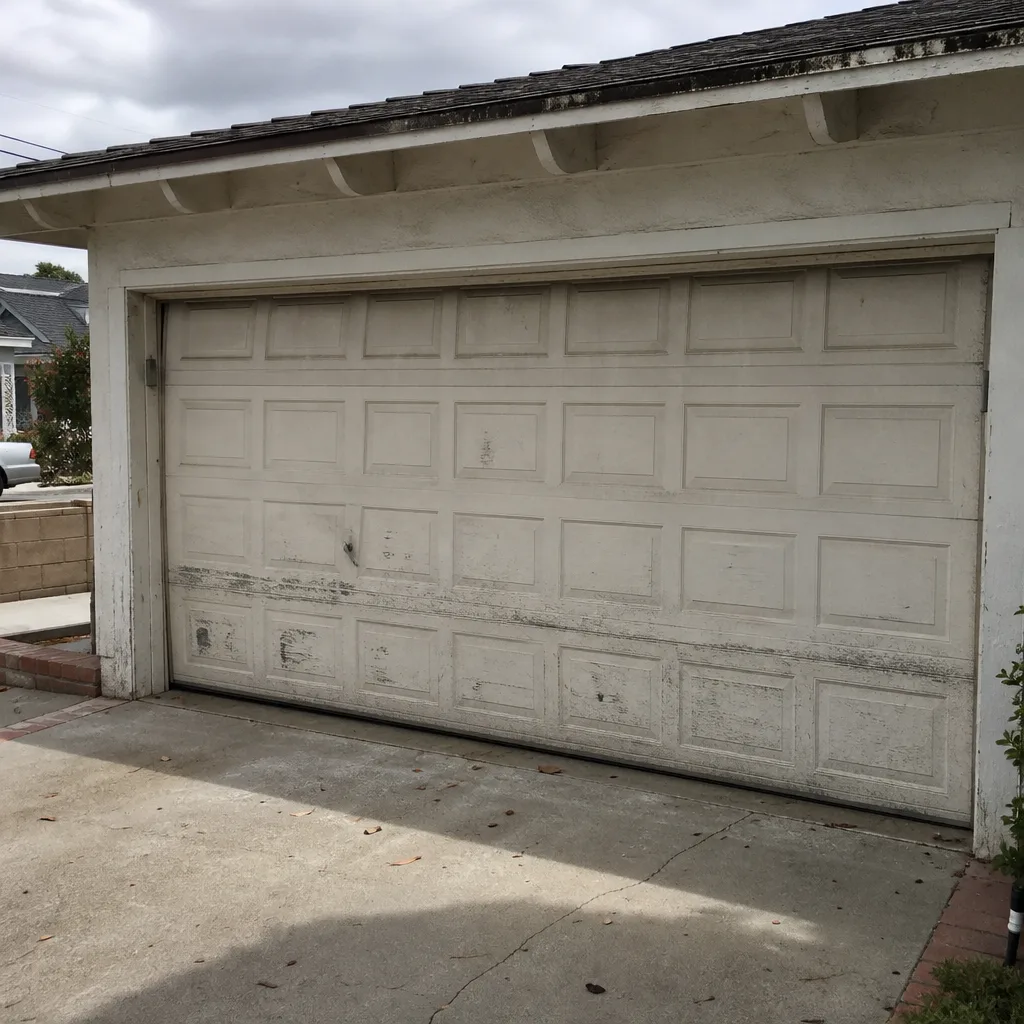 Before
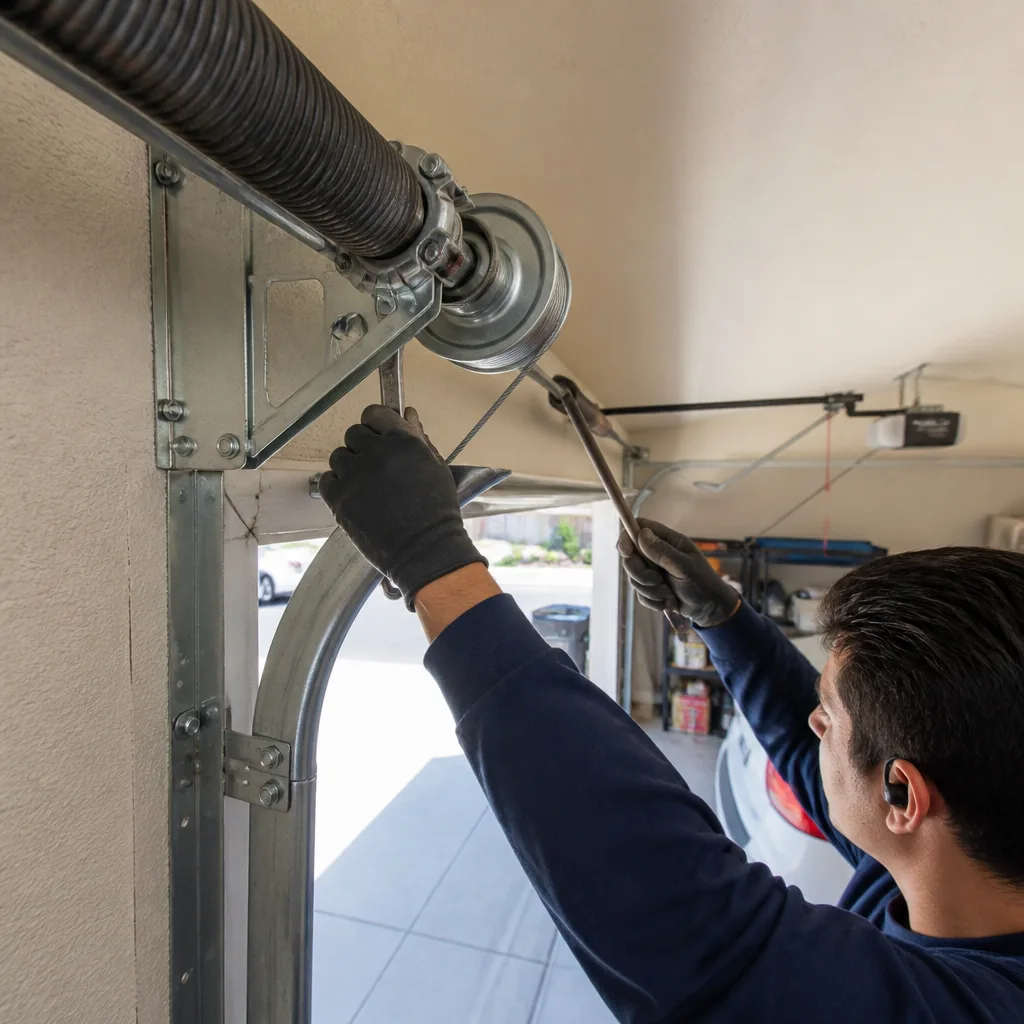 After
After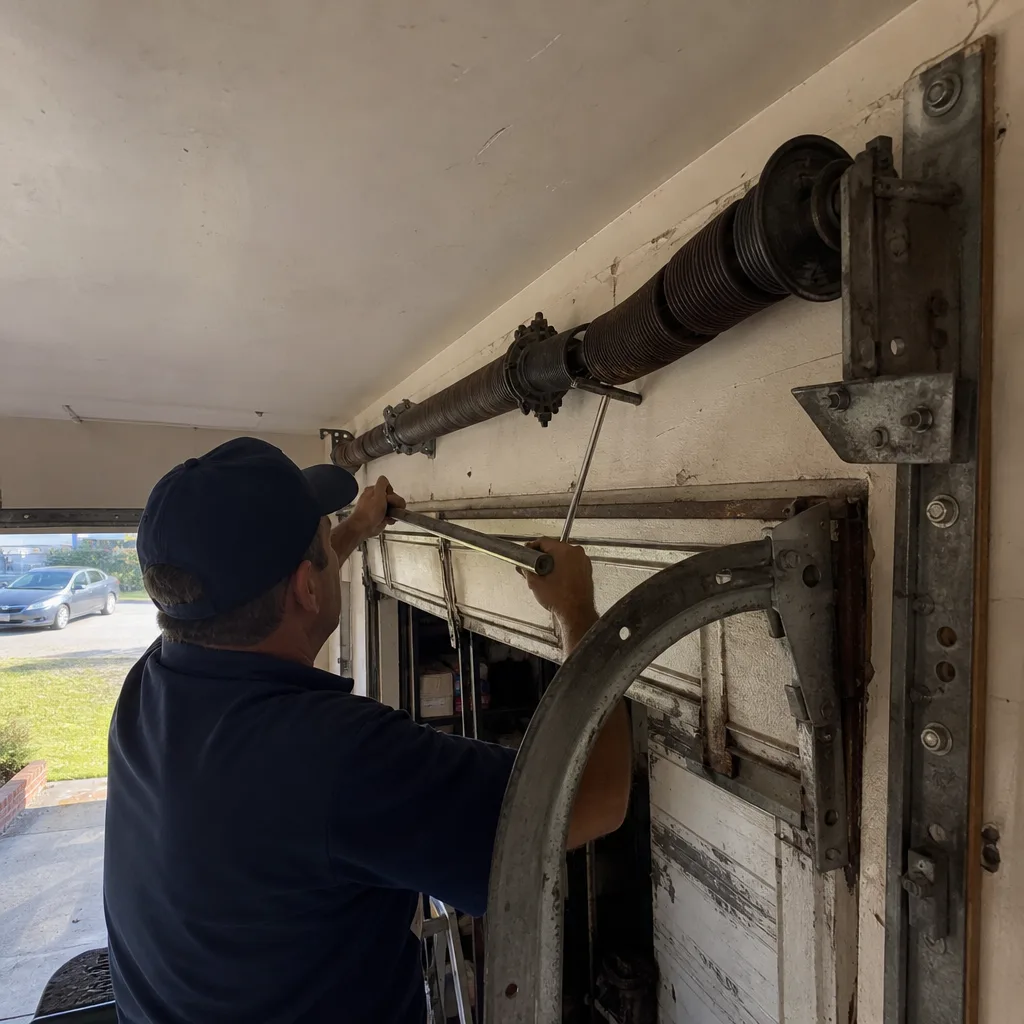 Before
 After
After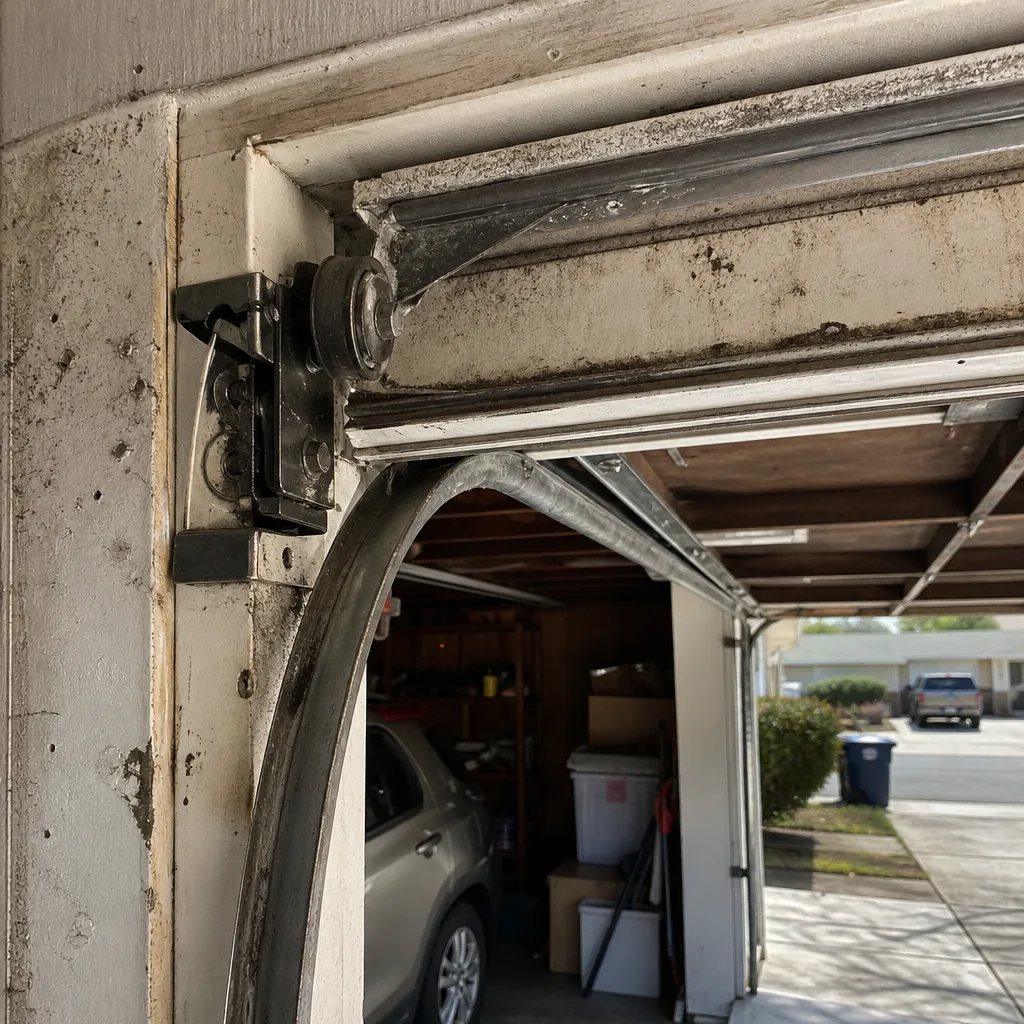 Before
 After
After