
Last updated October 16, 2026
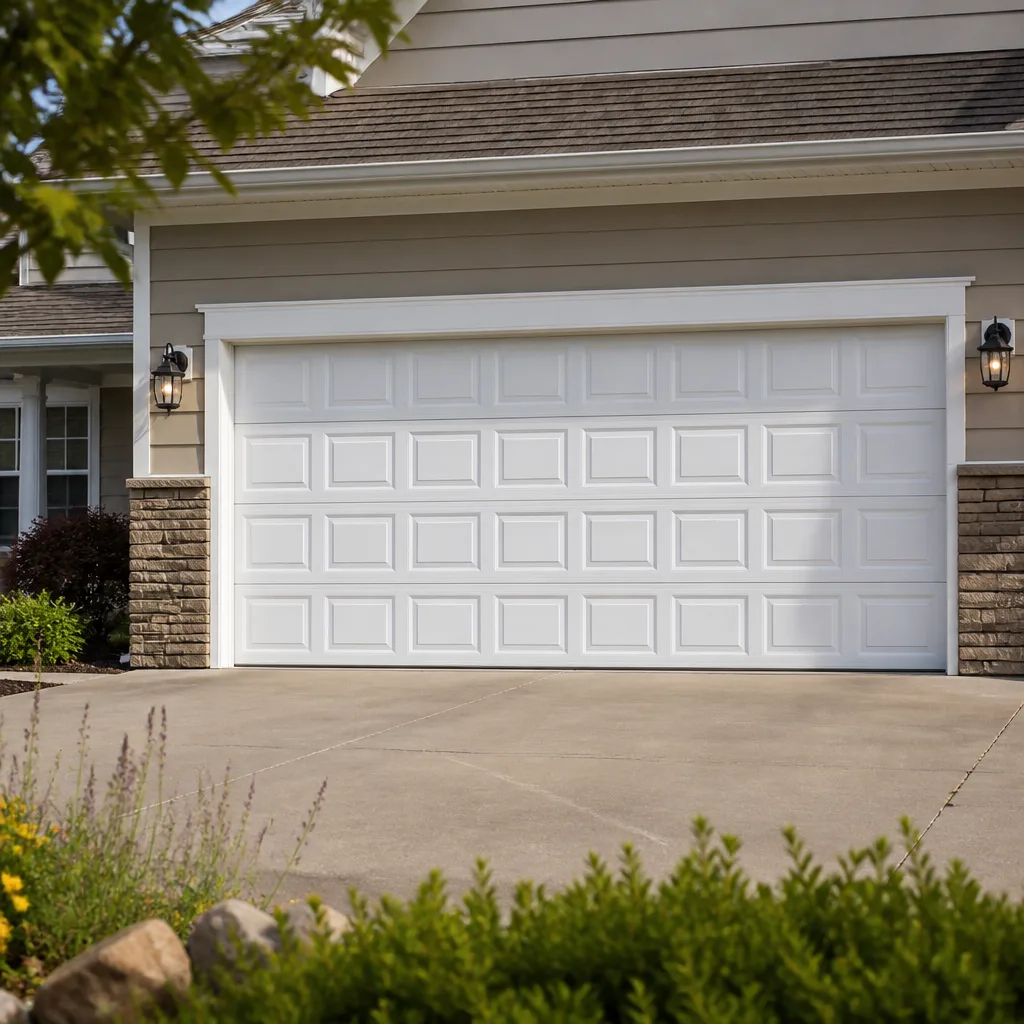 Raised-panel steel
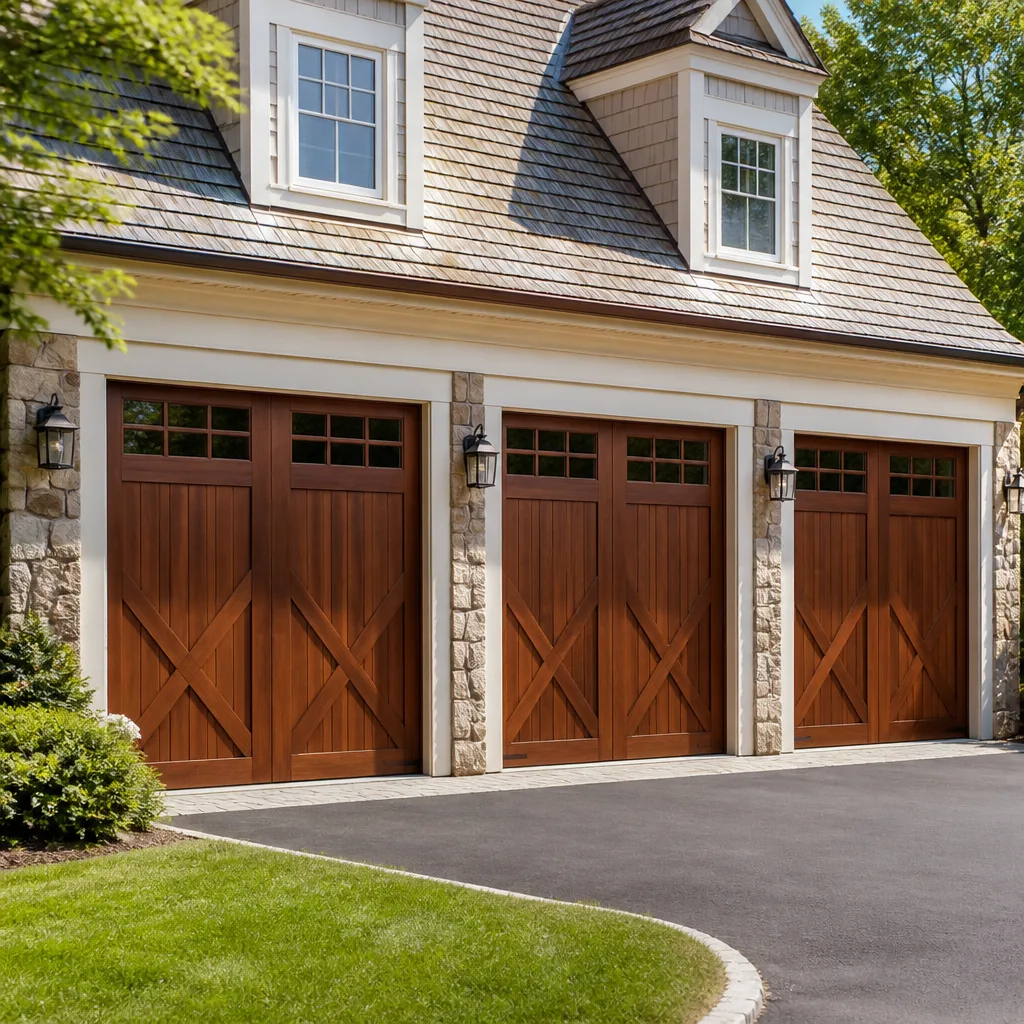 Carriage house
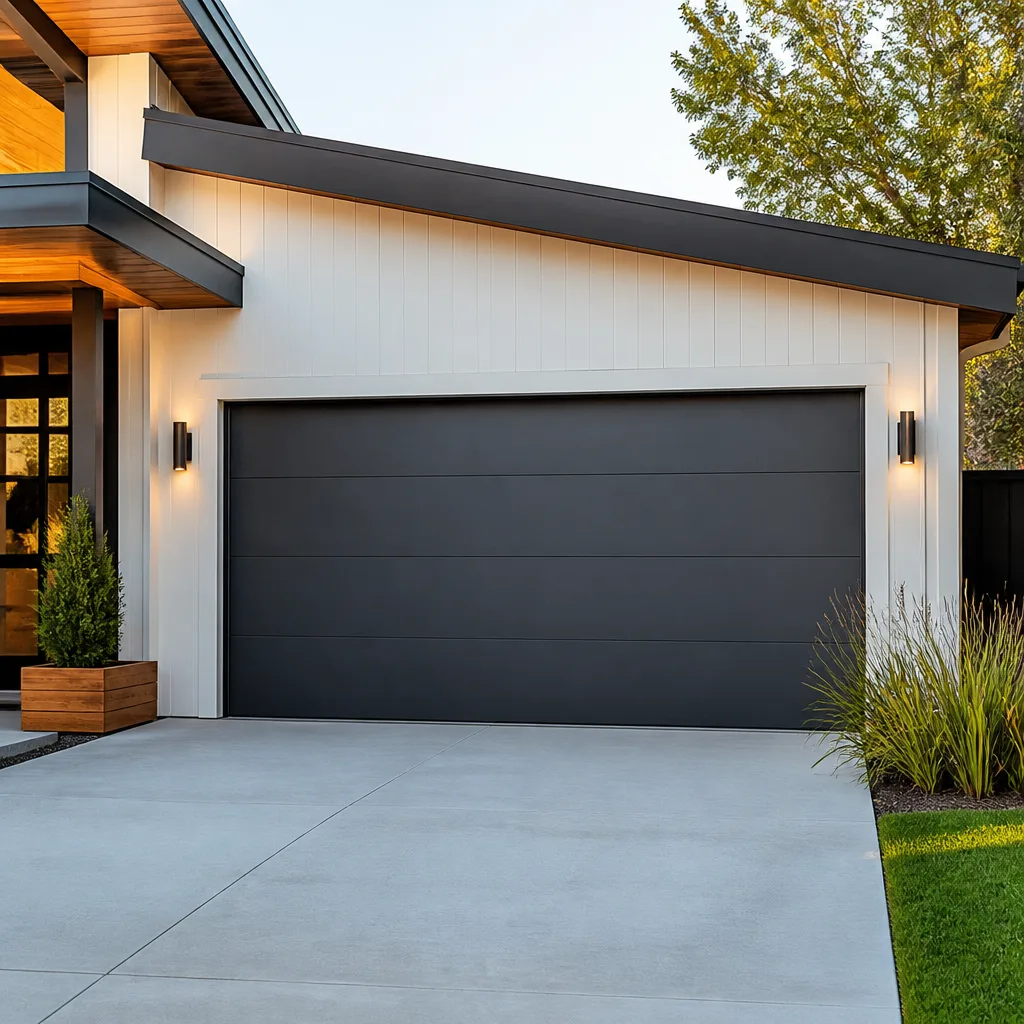 Modern flush
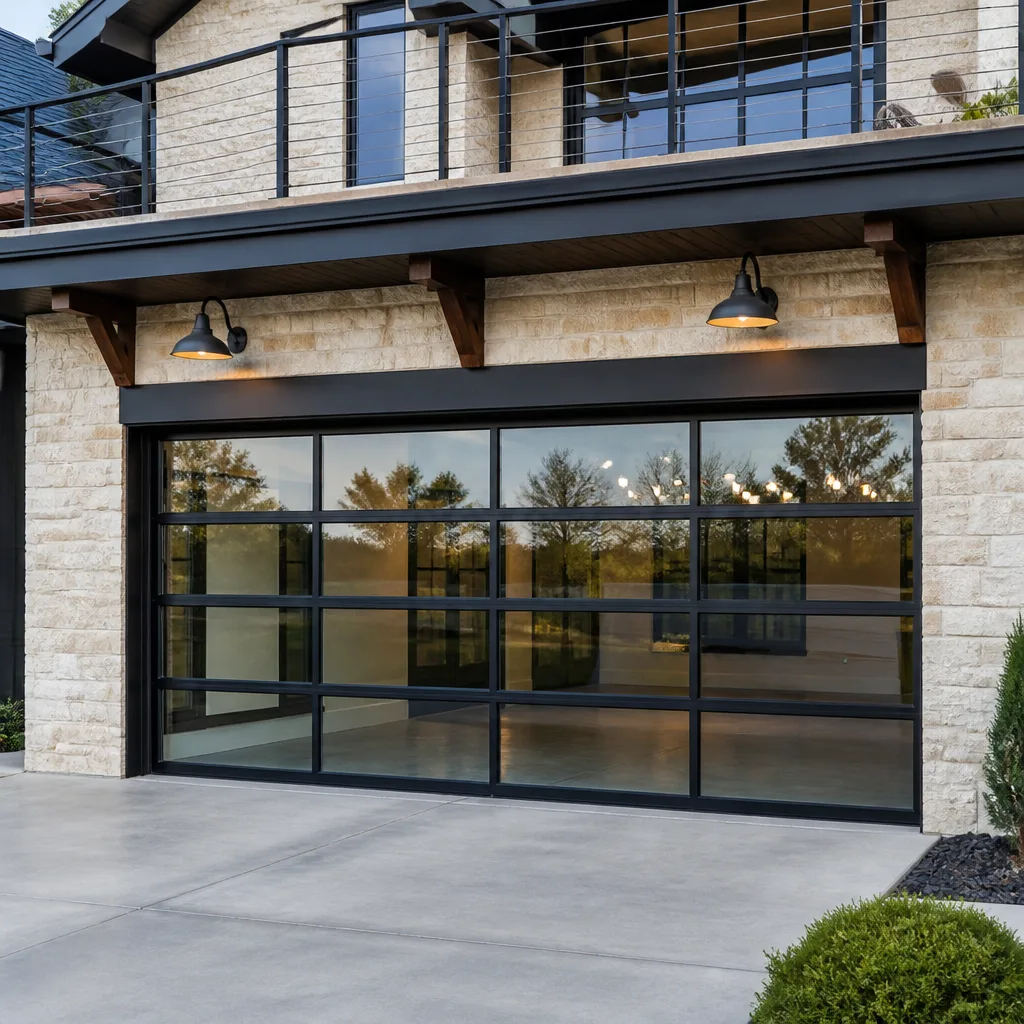 Full-view glass
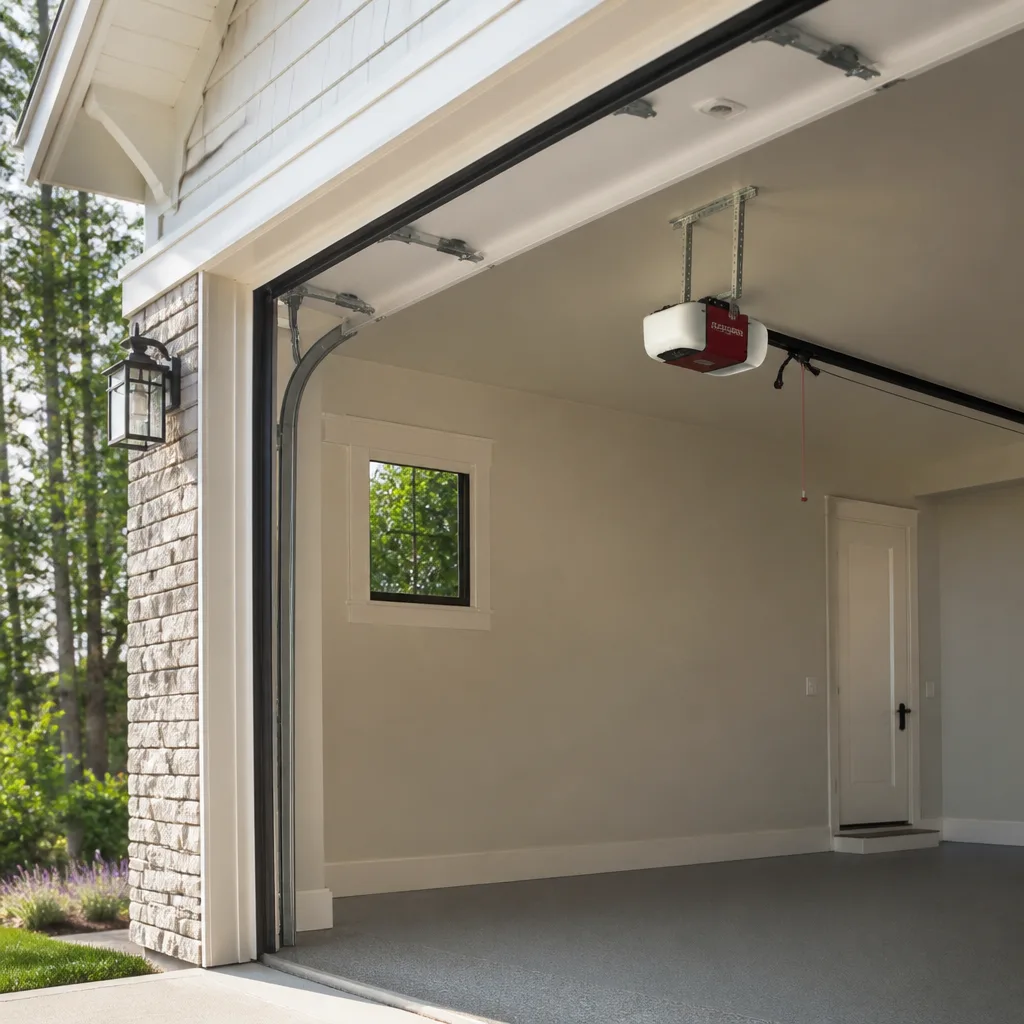 LiftMaster openers
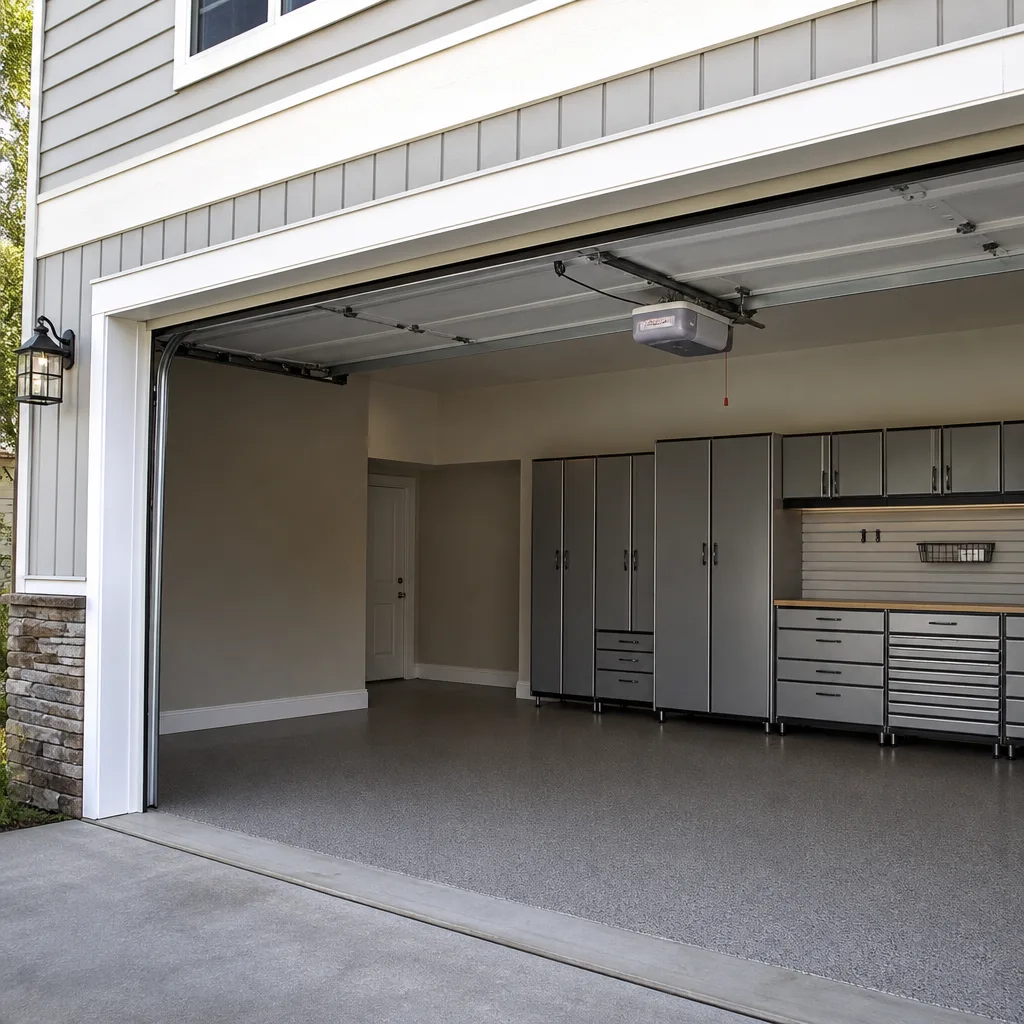 Chamberlain openers
Full 25-point door and opener safety check with every visit - springs, cables, rollers, tracks, and your LiftMaster or Chamberlain opener included
You get a price before we start. It does not change when the truck arrives.
Get your free estimateGarage Door Permits, Codes & Inspections in CA: What You Need to Know
Here is the number that surprises most California homeowners: a $180 permit gets skipped on a garage door replacement, the work goes unrecorded, and three years later a Torrance seller loses $6,000 in escrow because the buyer’s appraiser flagged an unpermitted structural modification. We see the fallout from this regularly, and contractors rarely volunteer the risk when they quote the job. This guide maps exactly when you need paperwork, what it costs in Torrance, and how to avoid a resale nightmare that no one warns you about. For related reading, see our Garage Door Warning Signs: A Torrance Homeowner’s Reference Guide.
Styles & brands we work with
Quick Answer
In California, a like-for-like garage door replacement where you swap a door for one of the same size, type, and weight on the existing opening typically does not require a permit. But changing the door type (single-panel to sectional), enlarging the opening, or altering the structural framing around it almost always does, and attached garages carry added fire-rating requirements under the California Building Code. Torrance enforces these rules through its Building & Safety Division, and the permit for a residential garage door alteration typically runs $150 to $300 depending on the scope of work.
Table of Contents
- The California Building Code Threshold: Like-for-Like vs. Structural Change
- How the Torrance Permit Process Actually Works
- The HOA Overlay: CC&R Rules That Operate Independently of City Permits
- The Fire Separation Rule: Why Attached Garages Face Extra Scrutiny
- Spring and Cable Work: Where Repair Ends and Alteration Begins
- Resale Disclosure Obligations: What Sellers Must Reveal and Buyers Should Demand
- Common Mistakes to Avoid
- When to Call a Professional
- Frequently Asked Questions
- The Bottom Line
The California Building Code Threshold: Like-for-Like vs. Structural Change
The California Building Code (CBC) draws a line that most homeowners never see clearly. A like-for-like replacement means you remove an existing garage door and install a new one in the same opening, with the same dimensions, the same operating type, and roughly the same weight. That work is treated as routine maintenance, and it does not trigger a building permit in Torrance or anywhere else in the state.
What changes the equation is the word structural. The moment you touch the framing, header, or jambs around the opening, you have crossed from replacement into alteration, and alteration requires a permit. The CBC’s threshold is intentionally broad, so here is what actually matters in practice:
- Same door type, same opening: No permit. You can replace a sectional roll-up door with another sectional roll-up door of the same width and height without filing anything.
- Single-panel to sectional conversion: Permit required. This is the classic surprise. A single-panel door (the tilting kind that swings out and up) uses a different track system, different spring geometry, and often a different header configuration. The CBC treats this as a structural alteration, not a swap.
- Enlarging the opening: Permit required, plus engineering. Widening or raising a garage door opening means new header sizing, potential shear wall adjustments, and sometimes foundation work. This is a full plan-check project.
- Changing from manual to automatic operation: Generally no permit for the door itself, but adding an opener that was never there before means new electrical work, and that electrical work may need a permit on its own.
- Replacing a door on a detached garage: The rules are slightly lighter because detached structures do not carry the same fire-separation requirements, but the structural threshold still applies.
We have replaced doors in Torrance neighborhoods from Old Torrance to Southwood where homeowners assumed any change needed a permit and others who assumed nothing did. The truth sits exactly on that like-for-like line, and knowing where your project falls is the single most valuable piece of information in this entire guide.
How the Torrance Permit Process Actually Works
If your project does cross into permit territory, the process in Torrance is more straightforward than most people expect. The city runs its building permits through the Building & Safety Division at Torrance City Hall on Madrona Avenue, and residential garage door alterations are processed as a standard residential building permit, not something exotic.
Here is the step-by-step flow for a typical residential garage door permit in Torrance:
- Determine scope. Write down exactly what is changing: door type, opening dimensions, any framing work, any electrical work. If you are only swapping like-for-like, stop here. You do not need a permit.
- Prepare a simple plan. For most residential door alterations, the city accepts a basic drawing showing the existing opening, the proposed door, and the surrounding wall construction. You do not need stamped engineering drawings for a straightforward single-panel to sectional conversion in a standard wall.
- Submit to Building & Safety. Counter hours at Torrance City Hall cover most of the business week. You can also start the conversation by phone, and staff will tell you if your scope qualifies for a same-day over-the-counter review or needs a plan check.
- Pay the fee. For a residential garage door alteration, plan check and permit fees in Torrance generally land in the $150 to $300 range depending on the valuation of the work. The city calculates the fee on the declared job value, so a $2,500 door conversion will cost less in fees than a $9,000 opening enlargement.
- Schedule inspections. Most garage door alterations require one inspection after rough framing (if any framing changed) and one final inspection after the door is hung and operating. Torrance typically schedules residential inspections within a few business days of the request.
- Close the permit. Once the final inspection passes, the permit is closed out and the work is officially recorded. That record is what protects you at resale.
Turnaround from application to issued permit averages three to ten business days for straightforward residential door work. The city moves faster than the reputation suggests, especially when the scope is uncomplicated and the paperwork is complete.
One thing worth knowing before you go to a Garage Door Repair in Torrance contractor with a permit requirement: any licensed contractor can pull the permit on your behalf, and most homeowners find that easier than navigating the counter themselves. The permit fee stays the same either way.
The HOA Overlay: CC&R Rules That Operate Independently of City Permits
Here is a layer that catches Torrance homeowners off guard, especially in the planned communities and tract developments south of Sepulveda. Your HOA’s Covenants, Conditions and Restrictions (CC&Rs) are a private contract between you and the association, and they operate completely independently of Torrance building permits. You can have a fully permitted, code-compliant garage door and still be in violation of your CC&Rs.
What HOAs in Torrance regulate most often:
- Door material. Some associations require wood or wood-look doors in sections of the neighborhood and prohibit plain steel panels, even if the steel door is sturdier and cheaper.
- Door color. This is the most common restriction we encounter. A homeowner orders a door in a shade that matches their neighbor’s house instead of their own, and the architectural committee flags it within a week.
- Window placement and style. Decorative window inserts, especially in certain patterns or colors, are frequently restricted.
- Custom versus standard designs. Carriage-house overlays, custom hardware, or anything that draws visual attention may require pre-approval.
- Work hours for installation. Many Torrance associations restrict construction noise to weekday hours, which matters if you are planning a Saturday install.
How to check yours: pull the CC&R packet you received at closing, look for the architectural control or design review section, and search for “garage” or “exterior alteration.” If you cannot find the document or the language is unclear, contact your HOA management company and ask directly in writing. Avoid relying on a neighbor’s memory. Board interpretations change, and the neighbor who got away with a black door in 2019 may not be the standard the new architectural committee enforces today.
The penalty structure matters too. HOAs in California can impose monthly fines for continuing violations, and in some cases they can file a lien against the property for unpaid fines. The city will never do that over a garage door. Private enforcement is often the more aggressive enforcement.
The Fire Separation Rule: Why Attached Garages Face Extra Scrutiny
Attached garages in California are treated differently because they represent a direct pathway for fire to move from a vehicle fire into living space. The CBC requires a fire separation between attached garages and the dwelling, and that requirement extends to the garage door opening itself. When you modify that opening, you inherit the obligation to maintain the fire rating.
The key requirements under the CBC for attached garages:
- Wall and ceiling separation: The shared wall and any ceiling between the garage and living space must maintain a one-hour fire-resistive rating, typically achieved with 5/8-inch Type X drywall. Any framing work around the door opening must preserve this rating.
- Door construction: The CBC requires that the garage door itself be constructed with materials that resist fire propagation. Most modern steel sectional doors from manufacturers like Clopay, Amarr, and Raynor meet this standard, but the permit is the point where compliance gets documented.
- Self-closing device on the pedestrian door: If your garage has a side entry door into the home, it must be self-closing and self-latching, with a solid core or fire-rated construction.
- No unprotected penetrations: Any ductwork, wiring, or plumbing that passes from the garage into the house must be fire-stopped. Work that disturbs the wall around the door opening can expose old penetrations that were never properly sealed.
The practical takeaway: on an attached garage in Torrance, a permit is not just about the door. It is about the wall assembly that surrounds it. A good inspector will look at the drywall thickness, the fire-stopping, and the door frame connection, not just whether the door rolls up and down. This is exactly why skipping the permit on a structural change is a risk that compounds. The unpermitted work may function perfectly for years and only become visible when a future inspection, appraisal, or insurance review looks behind the surface.
Spring and Cable Work: Where Repair Ends and Alteration Begins
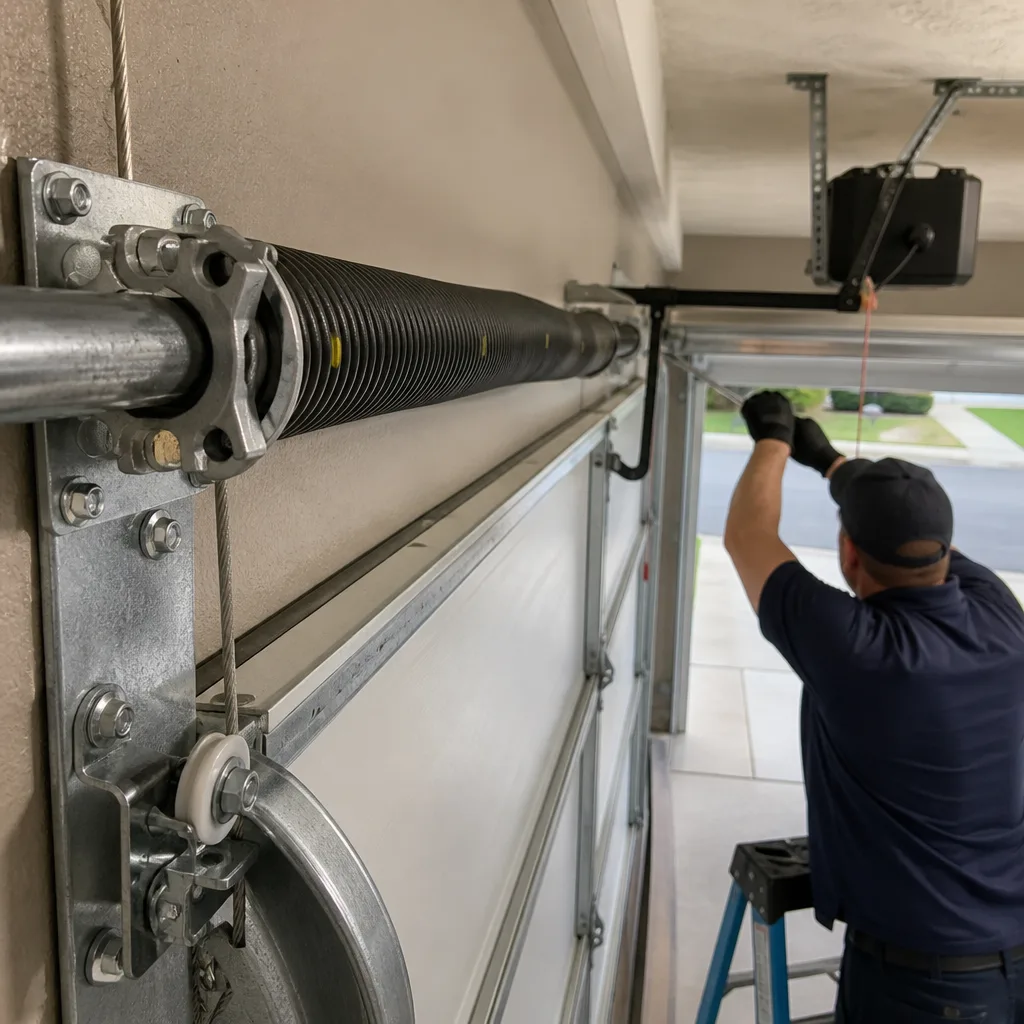
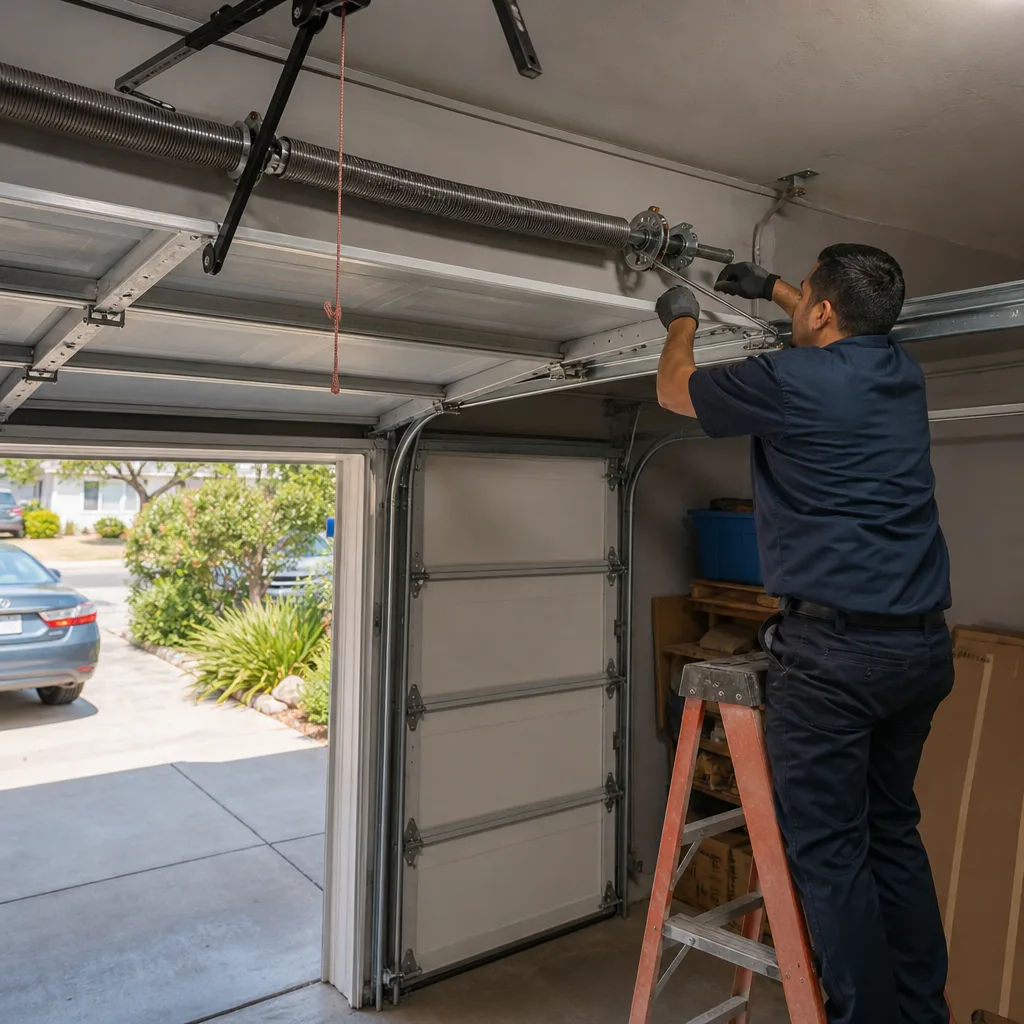
Most garage door work in Torrance involves springs and cables, not door replacements, and the permit rules here are simpler than people fear. See our Garage Door Repair Maintenance Checklist for Torrance Homeowners for routine upkeep guidance. A spring replacement, even a conversion from extension springs to a torsion spring, is a repair, not a structural alteration. The California Building Code does not require a permit for replacing garage door springs or cables, and Torrance does not impose an additional local requirement.
Where this gets misinterpreted: some homeowners worry that switching spring types changes the door’s operating mechanics enough to require review. It does not. Spring work operates within the same opening, on the same door, using the same track. The CBC’s like-for-like logic applies to the spring assembly in the same way it applies to the door panel itself.
What a Garage Door Spring Repair in Torrance actually triggers is a safety concern, not a permit concern. Torsion springs are under enormous tension, and an amateur attempting to adjust or replace them is facing a genuinely dangerous component. We have seen garage doors in Torrance with springs that were dangerously over-tightened by a handyman because the homeowner chose a cheap repair over a professional one. The spring stores enough energy to lift a 300-pound door, and when it releases unexpectedly, the consequences can be severe. No permit process exists for this work, which means the quality control falls entirely on who you hire.
The same logic applies to Garage Door Cable Repair in Torrance. Cables connect springs to the door, and a frayed or snapped cable can send the door off its tracks. Replacing cables is a repair within the existing system, not an alteration of the opening, so no permit is required. But the tension involved makes it work that belongs with someone who does it every week, not a first-timer with a YouTube tutorial.
Resale Disclosure Obligations: What Sellers Must Reveal and Buyers Should Demand
California real estate law requires sellers to disclose material facts about the property. The standard Transfer Disclosure Statement (TDS) includes questions about whether any work was done without permits, and a seller who lies on that form is exposed to liability long after closing. This is where the $6,000 escrow loss from the opening example comes from: unpermitted work discovered during a pre-sale inspection forces the seller to either cure the permit retroactively, pay for repairs to bring the work to code, or reduce the price to compensate the buyer for accepting the risk.
What sellers in Torrance should know:
- Disclose honestly. If you replaced a single-panel door with a sectional and never pulled a permit, the TDS is where you say so. Omitting it is fraud, and home inspectors in Torrance see enough garage door conversions that they almost always check.
- Permit history is public. The buyer does not need your disclosure to find out. Torrance Building & Safety records are searchable, and any buyer’s agent who is thorough will pull the permit history for the property as part of due diligence.
- Retroactive permits exist. In many cases, you can apply for a permit after the fact, pay the fee, bring the work up to current code if needed, and clear the record. The process is more expensive than doing it upfront, but it is a lot cheaper than a failed escrow.
What buyers should demand:
- Ask for the permit history directly. Do not rely on the seller’s disclosure alone. Request copies of the permits for any visible garage door work, especially if the door type is a sectional and the house is old enough that it originally had a single-panel.
- Look at the door framing. A sectional door on a 1960s tract home in North Torrance is sometimes the result of a conversion done decades ago. Check whether the print shows the door as original or altered.
- Get a garage door inspection if anything looks off. A $150 to $250 inspection by a garage door professional is a small price compared to inheriting an unpermitted conversion with fire-rating issues.
The resale risk concentrates in one place: attached garages with altered openings. If the opening dimensions match the original construction and the door is simply a replacement, the resale risk is effectively zero. The risk lives in conversions, enlargements, and anything that changed the structure around the door.
Common Mistakes to Avoid
- Assuming every door replacement needs a permit and overpaying for one. Like-for-like replacements do not need permits in Torrance. If a contractor pushes a permit on a straight swap without explaining why, ask questions. The permit fee is not huge, but the delay and the project record may be unnecessary.
- Skipping the permit on a single-panel to sectional conversion because “the contractor said it was fine.” The contractor does not own the resale risk. You do. The permit protects the homeowner, and a contractor who dismisses it is not the one who will answer disclosure questions in ten years.
- Ignoring HOA approval because the city permit was issued. The city and the HOA are separate authorities with separate rules. A city permit does not override CC&Rs, and an HOA violation can be more expensive to resolve than a building code issue.
- Not verifying fire-rating materials on an attached garage. An attached garage door must meet CBC fire separation standards. A cheap door that is not compliant can fail a resale inspection even if it looks identical to the one it replaced.
- Attempting a DIY torsion spring replacement. No permit means no inspection, and no inspection means no one catches a spring wound too tight before it fails. Spring work is the one garage door task where the safety risk genuinely outweighs the cost savings.
- Relying on the seller’s disclosure verbatim when buying. Pull the permit history yourself. Torrance records are public, and a missed unpermitted conversion is a negotiation failure that costs buyers real money.
- Assuming a detached garage carries the same fire-rating rules as an attached one. Detached garages have lighter requirements, and the permit threshold still applies to structural changes, but the fire separation rules are not the same. Knowing which type you have changes the whole analysis.
When to Call a Professional
Permit and code questions spiral quickly when the door involves springs, framing, or fire-rated assemblies. If your project touches the opening structure, involves a torsion spring on an attached garage, or falls into a gray zone where you cannot tell whether it is like-for-like or an alteration, call someone who does this work in Torrance every week. A professional can tell you in five minutes whether your scope triggers a permit, whether your HOA is likely to weigh in, and what the final inspection will actually look for. Marlow Garage Door Repair Torrance offers free estimates in Torrance and can walk you through the permit question before any work is scheduled. Call (424) 999-9677 and describe your door, your opening, and your HOA situation. You will get a straight answer on whether you need paperwork before you spend a dollar.
Frequently Asked Questions
No permit is required if you are replacing an existing door with a new door of the same type, size, and weight in the same opening. A permit is required if you change the door type (like single-panel to sectional), enlarge the opening, or alter the structural framing. In Torrance, residential garage door alteration permits typically cost $150 to $300.
A residential garage door alteration permit in Torrance generally runs $150 to $300 depending on the declared job valuation. Like-for-like replacements do not need a permit at all. The exact fee is calculated by Building & Safety at the time of application based on the scope of work you describe.
No. Spring replacement, including conversion from extension springs to torsion springs, is a repair within an existing system and does not require a permit anywhere in California, including Torrance. The more important question with spring work is safety, not paperwork, since torsion springs carry enough tension to cause serious injury if mishandled.
You will likely face a disclosure requirement at resale, and a thorough buyer’s inspection will often catch the unpermitted work independent of your disclosure. The result can be a price reduction, a requirement to pull a retroactive permit, or a failed escrow entirely. A retroactive permit usually costs more than the original permit would have, both in fees and in bringing any non-compliant work up to current code.
Yes. HOAs in Torrance enforce their own CC&R rules on door material, color, and style, and those rules operate independently of city permits. An HOA can impose fines for violations, and repeated violations can lead to a lien. Check your CC&R documents or contact your HOA management company before ordering a door.
Yes. Attached garages must maintain a one-hour fire separation from living space, and that includes fire-rated wall construction, compliant door materials, self-closing pedestrian doors, and properly fire-stopped penetrations. Detached garages do not carry these fire-separation requirements, though the structural permit threshold still applies.
The Bottom Line
The garage door permit landscape in California is simpler than it looks once you understand the like-for-like line. A straight replacement of the same door type needs no permit in Torrance. A conversion, enlargement, or framing change does. Attached garages carry fire-rating obligations that detached garages do not. HOAs layer their own rules on top of city requirements. And the resale consequence of skipping a required permit is real money, measured in thousands of dollars at the closing table. When in doubt, ask a professional who works in Torrance every day or browse our more guides & resources. The answer takes five minutes, and it can save you a six-thousand-dollar surprise three years down the road.
For exact guidance on your specific door and opening, call Marlow Garage Door Repair Torrance at (424) 999-9677 for a free estimate and a straight answer on your permit question.
Written by Jaylen Ross, Owner at Marlow Garage Door Repair Torrance, serving Torrance since 2002.
See the difference
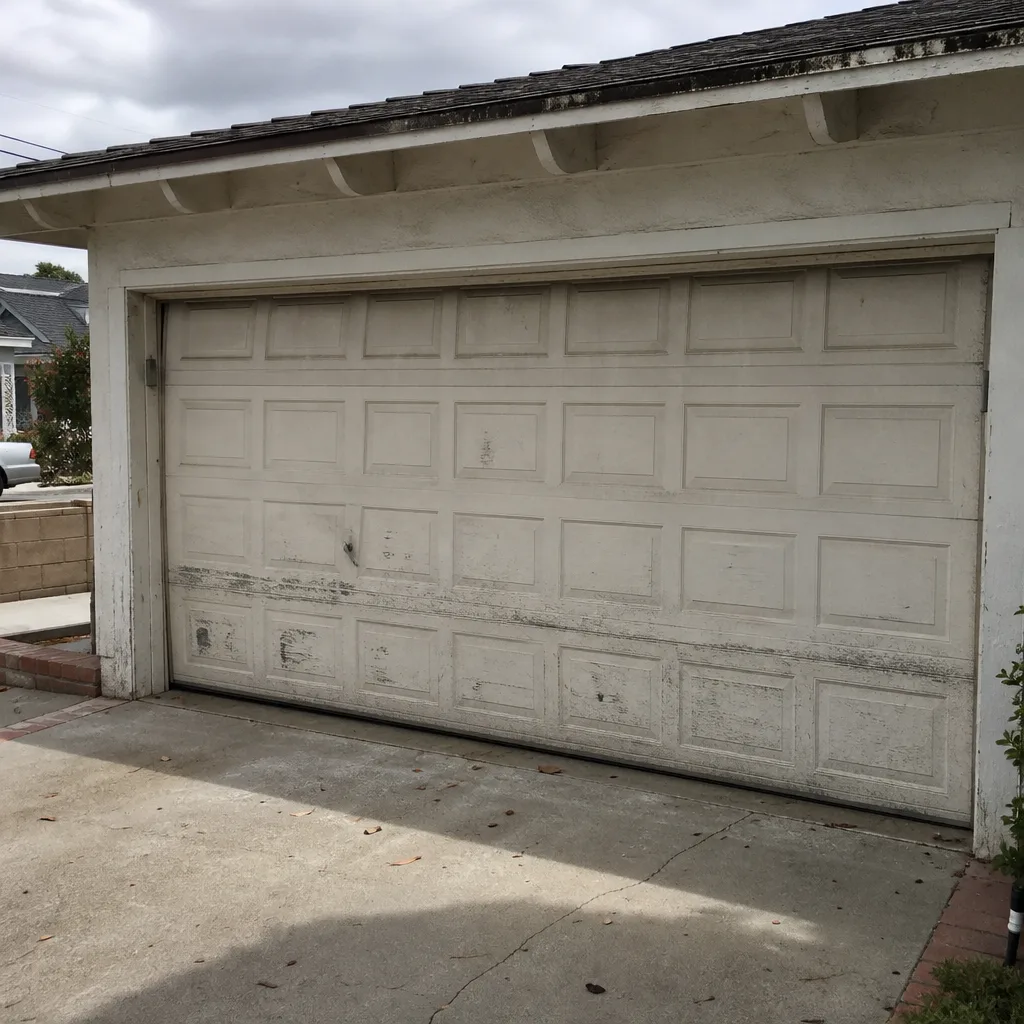 Before
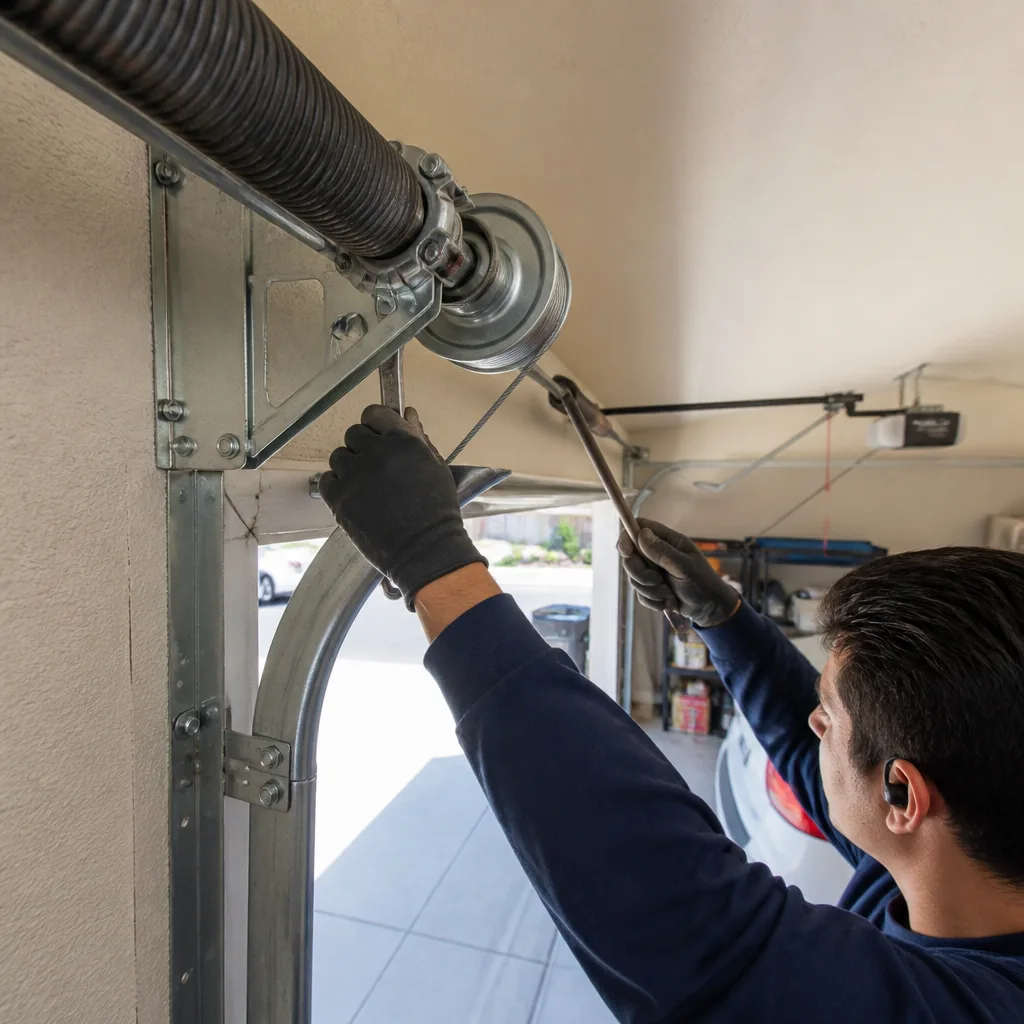 After
After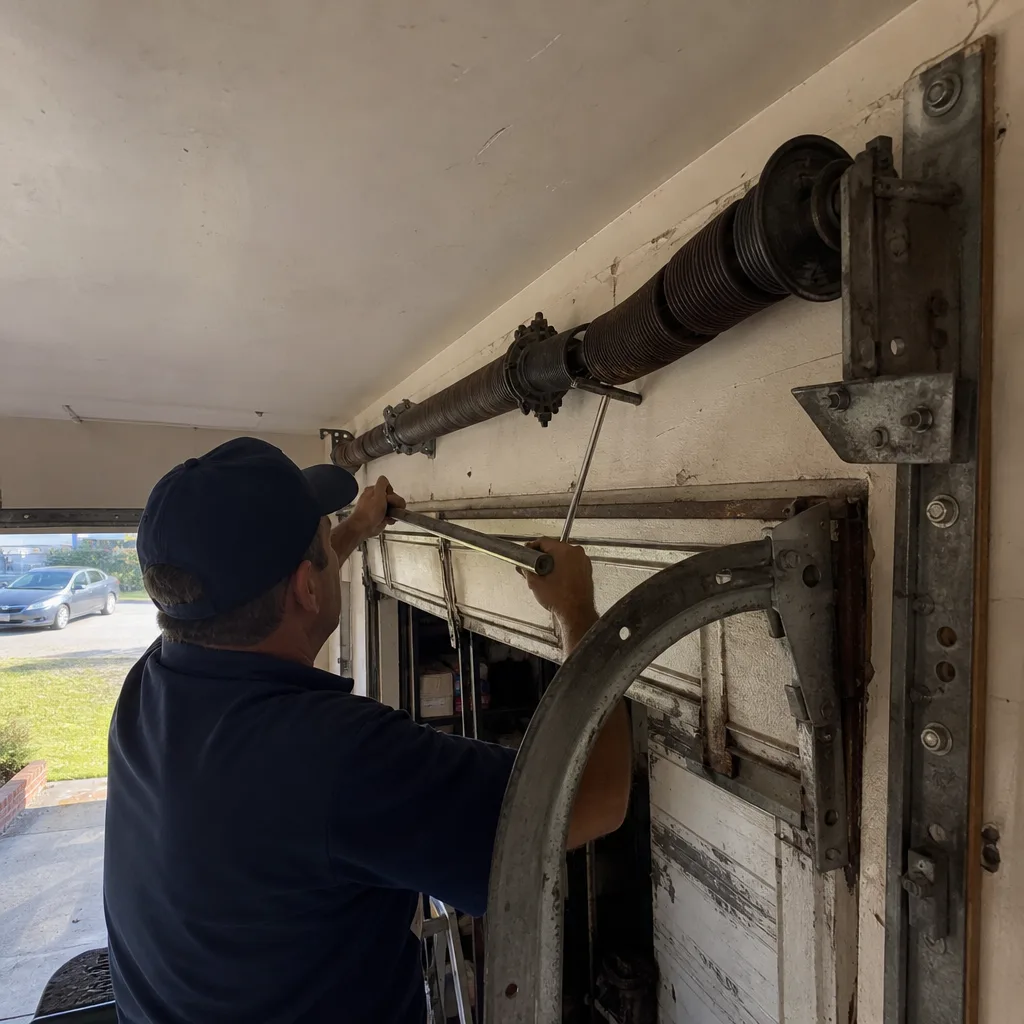 Before
 After
After Before
 After
After