
Last updated October 16, 2026
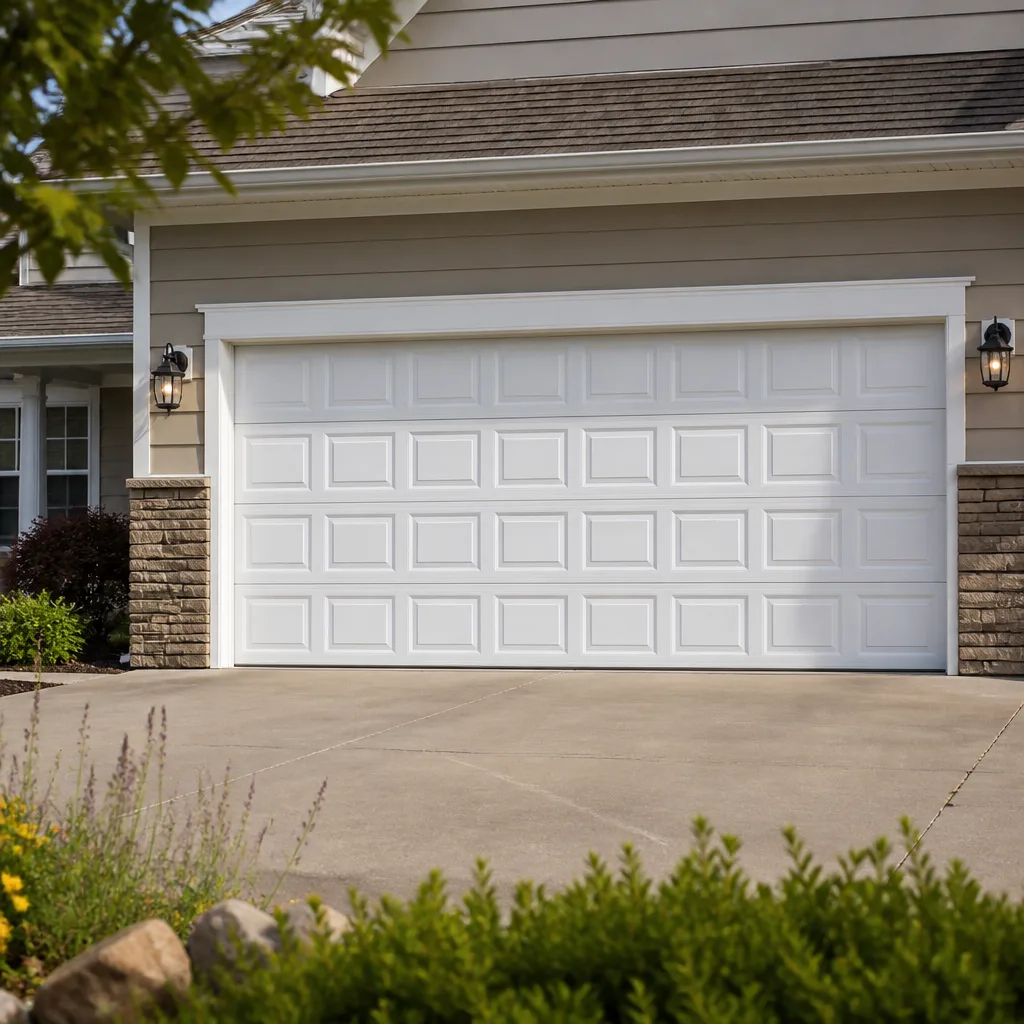 Raised-panel steel
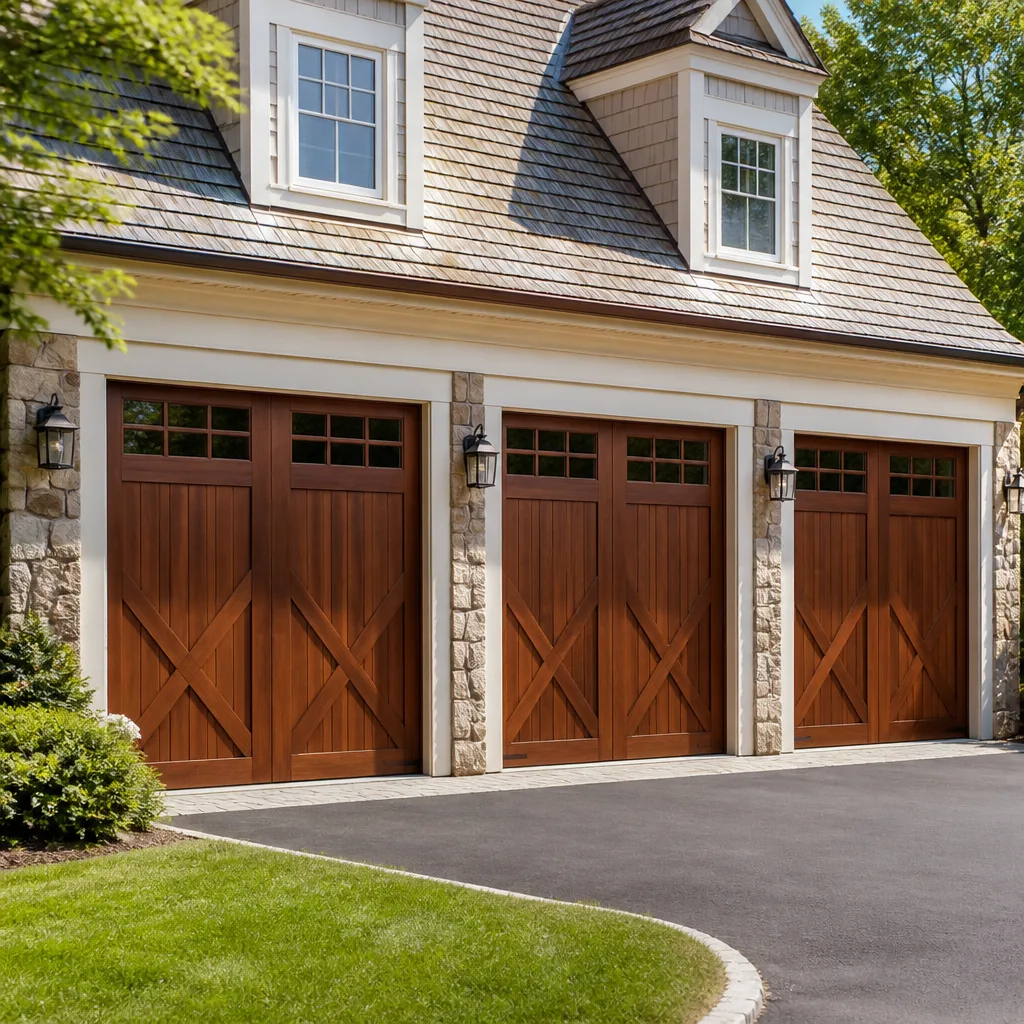 Carriage house
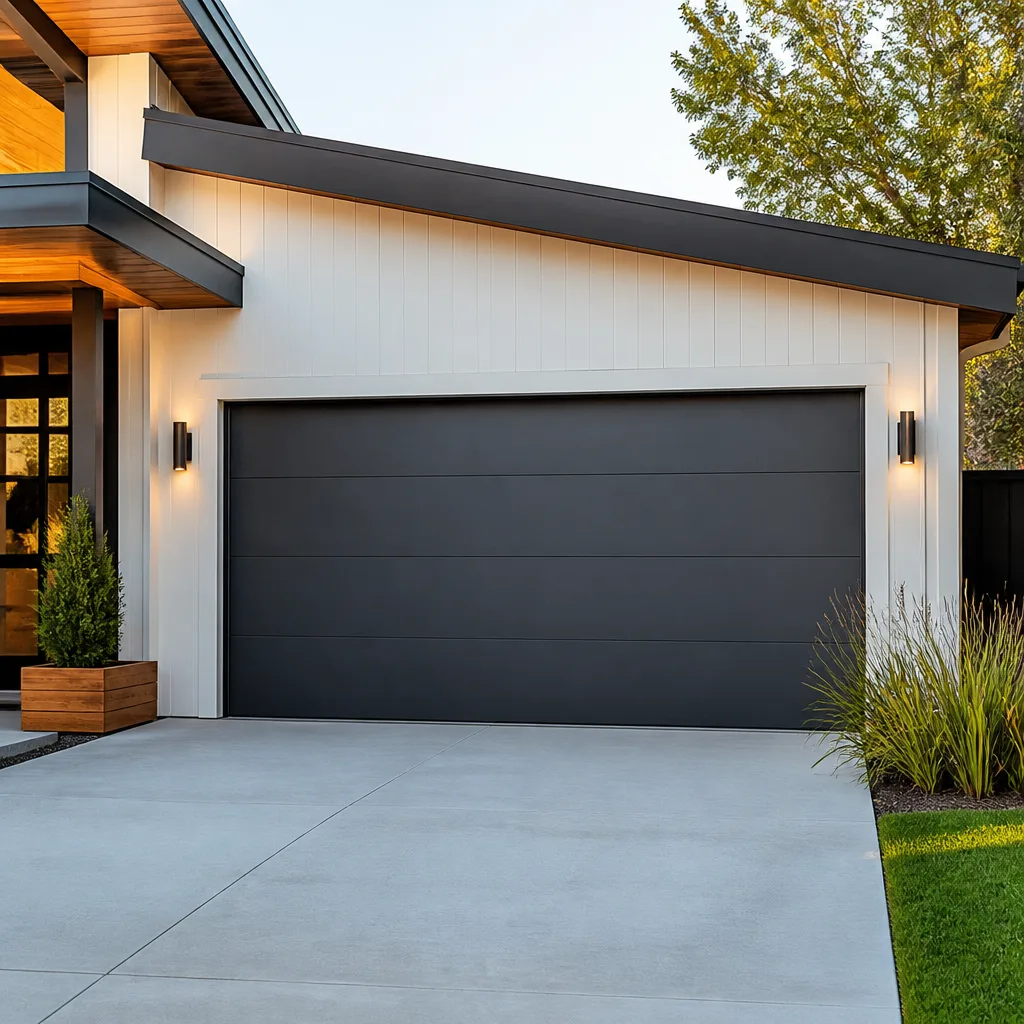 Modern flush
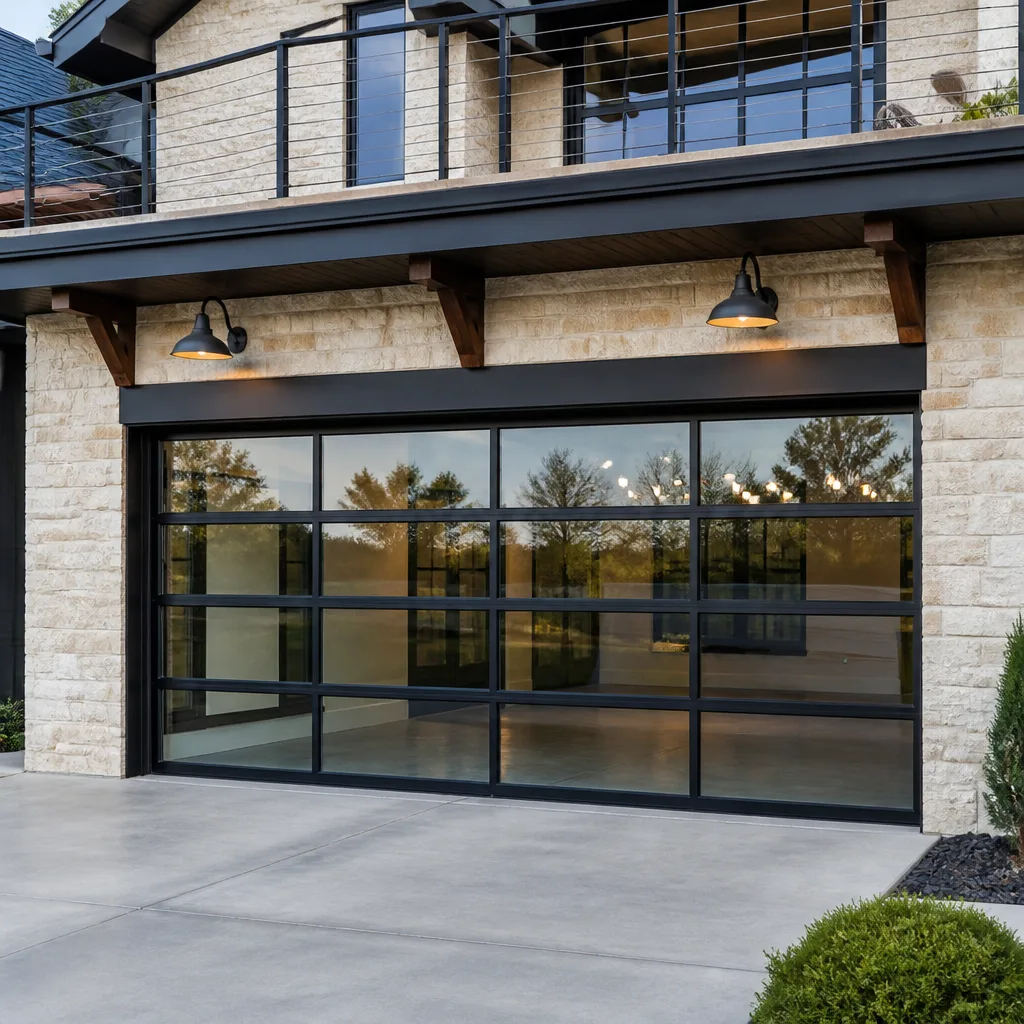 Full-view glass
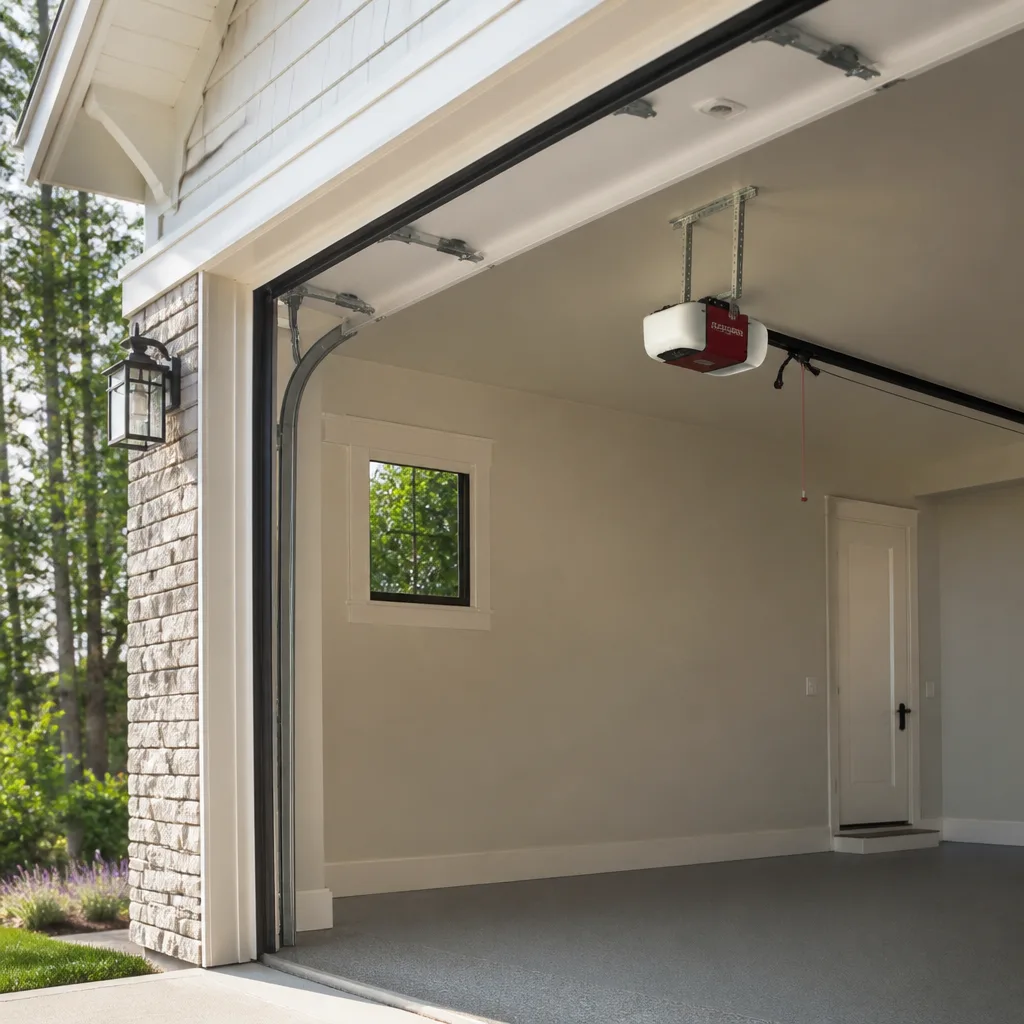 LiftMaster openers
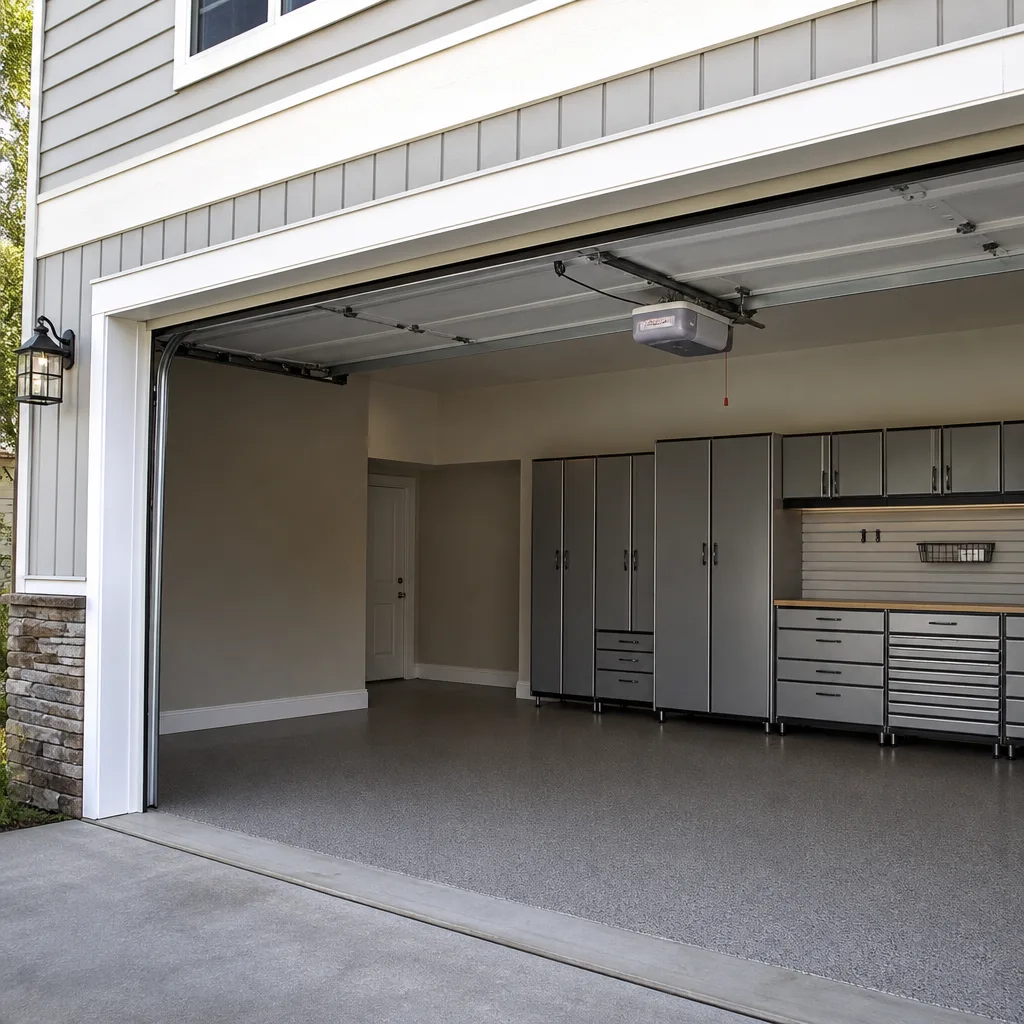 Chamberlain openers
Full 25-point door and opener safety check with every visit - springs, cables, rollers, tracks, and your LiftMaster or Chamberlain opener included
You get a price before we start. It does not change when the truck arrives.
Get your free estimateSeasonal Garage Door Care for Torrance: Year-Round Homeowner’s Guide
Most garage door maintenance advice is written for places with real winters. That guidance, applied to a Torrance garage, does more harm than good. Lubricating your springs right before a Santa Ana event, for instance, coats them in a film that holds the grit those winds carry, accelerating wear instead of preventing it. Torrance doesn’t have four dramatic seasons, but it absolutely has a marine layer season, a Santa Ana wind season, and a summer heat spike that each stress your garage door system in completely different ways. Ignoring those local patterns is why doors that should last fifteen years often fail at nine or ten around here. This guide builds a care calendar around Torrance’s actual climate, month by month, so you service the right components at the right time and stop fighting the weather with advice meant for Chicago. For The Complete Guide to Garage Door in Torrance, see our more detailed resource.
Styles & brands we work with
Quick Answer
Seasonal garage door maintenance in Torrance means adjusting your routine to three local weather patterns: May through July marine layer humidity that corrodes cables and hardware, October through January Santa Ana winds that shift track alignment and embed grit in moving parts, and summer heat spikes above 90°F that change torsion spring tension by 5 to 10 percent. A one-hour inspection every three months, built around the month-by-month calendar below, prevents most failures we see at Marlow Garage Door Repair Torrance home before they strand a car in the driveway.
Table of Contents
- Marine Layer Season (May – July): Corrosion You Can’t See Until It’s Too Late
- Santa Ana Wind Season (October – January): Track Drift and Grit Damage
- Summer Heat and Torsion Spring Tension: What Changes at 95°F
- Rainy Season Prep: Bottom Seals and the Drainage Check Most Homeowners Miss
- The Torrance Month-by-Month Garage Door Care Calendar
- Lubrication in Torrance: What to Use, What to Skip, and When It Backfires
- What to Inspect Yourself vs. What to Leave to a Tech
- Common Mistakes to Avoid
- When to Call a Professional
- Frequently Asked Questions
- The Bottom Line
Marine Layer Season (May – July): Corrosion You Can’t See Until It’s Too Late
Every year from late spring into early summer, Torrance sits under a blanket of coastal fog that doesn’t fully burn off until early afternoon. For your garage door, that marine layer is a slow corrosion machine, and it works in a pattern most homeowners never notice until a cable snaps. Our service area stretches from the coastal edges near Redondo Beach up through the neighborhoods around Del Amo Fashion Center toward the 405, and the farther west you are in Torrance, the more hours per day your door hardware spends above 80 percent relative humidity. That’s the threshold where bare steel starts oxidizing noticeably.
The components most vulnerable during May through July are the galvanized cables, the cable drums, the bottom roller brackets, and any exposed hinge pins. Here’s the corrosion pattern we see consistently on garage door cable repair in Torrance calls: marine layer moisture condenses on the cable during the cool evening, collects in the microscopic valleys between wire strands, and never fully dries before the next night’s fog rolls in. Over six to eight weeks, that repeated wet-dry cycle rusts the cable from the inside out. The outer strands look fine. The inner core has already lost significant tensile strength. Then one morning the cable snaps under normal load, and the door comes down hard on one side.
What you can do during marine layer season:
- Every two weeks in May, June, and July, run a dry rag along the full length of each cable and inspect for brown discoloration, broken strands, or a powdery rust residue. Catching this early means a $180 to $320 cable replacement instead of a door-off-track emergency.
- Check the bottom roller brackets and hinge plates for bubbling paint or rust blooms around the mounting holes. These are the load-bearing points, and corrosion there concentrates stress.
- Keep the garage door track free of standing moisture. If your garage lacks ventilation, a $30 box fan pointed at the tracks for an hour after the marine layer burns off does more than any rust-prevention spray.
- Don’t apply heavy grease to cables as a “protective layer.” It traps moisture against the steel and makes corrosion worse, not better.
We’ve worked on doors in the Hollywood Riviera and Southwood neighborhoods where the same brand of cable lasted twelve years on an east-facing garage and only seven on a west-facing one a half-mile closer to the coast. The marine layer is that localized. Treat May through July as corrosion inspection season, and you’ll catch most cable failures before they happen.
Santa Ana Wind Season (October – January): Track Drift and Grit Damage
Santa Ana winds in Torrance typically arrive from late October through January, blowing hot, dry air out of the northeast at sustained speeds that regularly hit 30 to 45 mph with gusts above 60. Those winds carry fine dust from the mountains and desert, and they hit your garage door with a two-part attack: the force pushes the door panel laterally against the tracks, and the grit infiltrates every lubricated surface. A garage door is a huge vertical sail, roughly 16 feet wide and 7 feet tall on a standard two-car garage, and a 45 mph gust applies a sideways force on that surface measured in the hundreds of pounds.
Track alignment drift is the most common wind-related problem we see on garage door repair in Torrance after any significant Santa Ana event. The horizontal track sections are bolted to the ceiling with brackets that can shift slightly under repeated wind loading. The vertical sections, bolted to the wall, are less affected. The result is a door that still opens but is now working against the rollers at an angle, putting additional wear on the hinges and making the opener motor work harder every cycle. Left unaddressed, this drift snowballs into a derailment.
Run this 60-second visual check after any major wind advisory:
- Stand inside the garage and look up at the horizontal track on the side of the door that faces the prevailing wind (in Torrance during Santa Ana events, that’s most often the north or east side).
- Sight down the length of the track like you’re aiming a rifle. Look for any bow, kink, or section where the track no longer runs parallel to its mate across the garage.
- Watch the door cycle open and closed once. Listen for a grinding or squeaking sound, and watch the rollers to see if any are binding or riding up the edge of the track.
- Check the gap between the door panel edge and the track itself. With the door closed, the gap should be roughly equal on both sides. A difference of more than a quarter inch suggests drift.
- Look at the bolt holes in the track hangers. If you see elongated holes or fresh metal dust around the bolts, the track has been moving.
If track drift or roller binding shows up in your inspection, a garage door track realignment typically runs $140 to $240 in Torrance. It’s a quick fix for a tech who does this daily, but it’s not a job to attempt yourself because the horizontal tracks are under load from the door’s weight and the spring tension. Loosening the wrong bolt can release stored energy that sends a track section flying.
Grit is the second Santa Ana problem. Every lubricated surface on your garage door, including the torsion springs above the door and the roller bearings, collects wind-carried dust. The dust mixes with the lubricant into an abrasive paste that grinds away metal at the contact points. The fix is counterintuitive, so note this carefully: during Santa Ana season, do not add fresh lubricant to your springs. It just creates a new sticky surface for the next day’s grit. Instead, wipe the springs down with a dry cloth and wait until the wind cycle breaks before applying any product.
Summer Heat and Torsion Spring Tension: What Changes at 95°F
The torsion spring, the horizontal coil above your door that does most of the lifting, is calibrated at installation time to balance the exact weight of your specific door. A standard residential setup calls for the spring to carry about 95 percent of the door’s weight, leaving the opener motor to handle the last 5 percent. But a torsion spring’s behavior shifts with temperature, and Torrance summer heat spikes matter more than most homeowners realize. The springs in your garage, particularly if the garage is uninsulated or faces west with afternoon sun on a dark-colored door, can hit 110°F to 120°F internally while the outside air is only 95.
A steel torsion spring assembled and tensioned at the factory in 65°F conditions, which is typical, carries slightly less force at 95°F because the steel expands and the effective spring rate decreases. The difference is around 5 to 10 percent depending on the spring’s diameter, coil count, and wire gauge. That means a door that was perfectly balanced in March floats heavier in August, and your opener motor makes up the difference. The symptom is a loud grind from the motor, slower opening speed, or the door struggling around the midpoint.
The telltale sign we hear about on garage door spring repair in Torrance calls during July and August is this: the door opens fine when the garage is cool at 7 a.m., then stalls or reverses halfway by mid-afternoon. If you’re seeing that pattern, the springs may still be within their lifespan but are drifting out of calibration in the heat. A professional can re-torque the spring or add a quarter-turn to compensate for thermal expansion and restore balance, usually for $85 to $160 depending on access.
To test your door balance on a hot afternoon:
- With the door closed, pull the red emergency release cord to disconnect the opener.
- Lift the door manually to the halfway point of its travel and let go.
- A properly balanced door stays put, drifting no more than a few inches in either direction. A door that falls closed or drops several inches is telling you the springs are fighting the heat and losing.
- Reconnect the opener by pulling the cord again and running a full cycle.
This is a safe test that doesn’t require touching the springs themselves. Never attempt to adjust a torsion spring with a winding bar yourself. The spring stores enough energy to break bones or worse if it releases under load. Leave tension adjustments to someone trained for it.
Rainy Season Prep: Bottom Seals and the Drainage Check Most Homeowners Miss
Torrance gets between 12 and 14 inches of rain in a typical year, most of it falling between November and March. El Niño-pattern winters push that closer to 20 inches or more, and when they arrive, the single most common water-related garage door failure is the bottom seal, known as the astragal. That’s the rubber strip along the bottom edge of the door that compresses against the concrete when the door closes. Over two to four Torrance summers, sustained UV exposure bakes the rubber until it cracks along its flex line, and the first winter storm drives water straight into the garage through those hairline fissures.
Bottom astragal replacement for a standard 16-foot door runs $110 to $180 installed in Torrance, and it’s a 30-minute job for a tech who carries the material. The seal itself is a wear item you should expect to replace every three to five years, sooner if your garage faces direct afternoon sun with no shade. Here’s what to check before the rainy season starts, ideally in October:
- Close the door and run your hand along the inside edge of the bottom seal. Feel for cracks, brittleness, or areas where the rubber has pulled away from the aluminum retainer.
- With the door closed during daylight, look for light showing through under the seal. A door that’s subtly high on one side won’t seal against the concrete on that side.
- Inspect the concrete apron where the door lands. Torrance’s clay-heavy soil expands and contracts with winter moisture, and slabs heave slightly. A hairline gap that wasn’t there in July can let water through in January.
But the missed check is drainage. Many Torrance homes are built on gently sloping lots, and the driveway channels rainwater toward the garage door by default. The original slab drainage may have been adequate in 1960, but decades of settlement leave the garage floor sitting an inch or two lower than the surrounding grade. Water pools at the door, and the astragal, no matter how new it is, cannot hold back standing water. Walk your driveway during a real rainstorm and watch where the water goes. If it’s pooling against the garage door, the fix is drainage: a channel drain cut into the concrete, regrading a low spot, or adding a garage threshold seal on the interior side. We recommend a threshold seal, which runs $200 to $400 installed, as the practical first step for older Torrance homes where full drainage work is expensive.
The Torrance Month-by-Month Garage Door Care Calendar
Generic “spring and fall” maintenance checklists fail in Torrance because our actual stress calendar looks nothing like a temperate four-season template. Below is the month-by-month schedule we recommend to homeowners in every Torrance neighborhood from Walteria up through North Torrance, keyed to the real weather patterns that hit your door here.
- January: Post-Santa Ana recovery month. Run the full track alignment check from the wind section above, clean any grit accumulation off the springs with a dry rag, and test the door balance with the emergency release. This is the month we find the most track drift in Torrance.
- February: Rainy season mid-point. Inspect the bottom astragal for cracking, check for water staining or pooling on the garage floor after storms, and test the auto-reverse safety sensors by placing a 2×4 flat under the door and closing it. The door should reverse within two seconds of contact.
- March: Transitional month. The first warm days after winter’s end shift spring tension, though less dramatically than summer. Do a quick balance test, and schedule lubrication now if it wasn’t done in autumn. This is a good month to book professional spring inspection because demand is still low and same-day scheduling is easy.
- April: Pre-marine-layer prep. Apply a light silicone or lithium spray to the rollers and hinges, but not the springs, which should be done only by a tech at the spring coil contact points. This is the month to check your opener’s battery backup, if you have one, because power outages are uncommon here but the neighbor’s tree work on a windy April day can still take out a line.
- May: Start the marine layer inspection cycle. Begin the twice-monthly cable rust checks described earlier, and wipe down any exposed metal with a dry rag. If you see early rust on hinges or brackets, a steel wool scrub and a coat of rust-inhibiting paint beats waiting.
- June: Peak marine layer month. The fog is thickest now, especially late evening to mid-morning. Continue the cable inspection cycle, and if your garage has no ventilation, run a box fan for an hour after the fog burns off on days when you notice condensation on the door itself. Check the weatherstripping on the side jambs for gaps where fog drifts in.
- July: Heat begins to build and the marine layer starts to recede. Run the hot-afternoon balance test from the summer heat section, and listen for unusual grinding or slowness from your opener motor when the garage is at its warmest. This is the month you’ll notice spring tension issues first.
- August: Peak heat month. Balance issues are most pronounced now, and opener motors work hardest. If your door has slowed noticeably compared to spring, call for a spring tension adjustment before September, when back-to-school routines mean you can’t afford a down door.
- September: Quiet month, and the best time for deferred maintenance. Book any recommended repairs now, schedule your annual professional inspection, and replace worn rollers or hinges on your own schedule, not an emergency one.
- October: Rainy-season and Santa Ana prep converge. Replace the bottom astragal if it’s cracked, check the drainage situation, and do a full track alignment baseline check before the winds arrive. Also apply proper lubrication to hinges and rollers with a silicone spray, since grit season is about to start.
- November: First Santa Ana events typically arrive. After each wind advisory, run the 60-second track alignment check. This is the most common month for track drift calls in Torrance, because the ground is soft from the first rain and the winds arrive on top of it.
- December: The wind and rain double-up month. Continue post-wind inspections, check the seal for water intrusion after December storms, and test your opener’s photo-eye safety sensors with a quick wave test: close the door and wave your hand in front of the sensor; the door should reverse immediately. December is also the least convenient month for a door failure, so a pre-holiday professional inspection is genuinely worth the cost.
Lubrication in Torrance: What to Use, What to Skip, and When It Backfires
Most garage door lubrication advice is written for dry climates where you lubricate on a fixed schedule and never think about it again. Torrance is not that climate. The marine layer seasons and Santa Ana grit cycles mean that blind lubrication here can actively shorten component life. The rule is simple: only lubricate when the surfaces are clean, and only with the right product. The product conversation matters because using the wrong thing is worse than using nothing.
What to use:
- Hinges and rollers: a dry silicone spray or white lithium spray, applied sparingly to the hinge pins and roller ball bearings. You’re not coating the metal; you’re lubricating the points where parts move against each other.
- Torsion springs: let a professional handle spring lubrication during an inspection. The spring flexes slightly with every cycle, and the proper lubricant is a dry spray applied to the coil contact points, not a coating of oil.
- Opener chain or screw drive: a small amount of white lithium grease on the chain or screw threads, applied once annually. Too much and you create a dust magnet.
What to skip entirely:
- WD-40. It’s a water displacer, not a lubricant, and it strips away whatever real lubrication was there. On springs, it leaves a dry surface that corrodes faster in the marine layer.
- Heavy axle or bearing grease on any moving part. It hardens in cool fog and bakes in summer heat, turning into a gummy paste that attracts every bit of Santa Ana grit.
- Motor oil or household oil on springs or cables. Oil migrates, collects dust, and can drip onto the door surface or the car underneath.
Timing matters in Torrance: the optimal window for lubrication is late September or early October, after the summer heat but before the Santa Ana winds pick up, or in March before the marine layer thickens. Avoid lubricating immediately before or during a Santa Ana event. If the wind blows dust into fresh lubricant, the result is sandpaper in slow motion on every moving surface. Wipe the springs and rollers with a dry rag first, and apply only after the wind cycle has passed and you’ve wiped again.
What to Inspect Yourself vs. What to Leave to a Tech
Torrance homeowners are generally capable of handling most of the visual inspection and light maintenance in this guide. The monthly calendar, the track checks, the rust monitoring, and the bottom seal assessment are all designed for a homeowner to do with no specialized tools and minimal time. But the line between inspection and intervention matters, and crossing it on the wrong component has consequences. For help deciding, read our DIY vs Professional Garage Door: The Torrance Homeowner’s Decision Guide. Here is the breakdown:
Safe for a homeowner in Torrance:
- Visual inspection of cables, tracks, hinges, rollers, and springs
- Manual balance testing with the emergency release cord
- Photo-eye sensor testing
- Bottom seal inspection and replacement consultation
- Wiping down springs and hardware with a dry cloth
- Applying silicone spray to hinges and rollers
- Tracking and noting any monthly observations in a simple log
Leave to a professional, no exceptions:
- Any torsion spring adjustment, re-torquing, or replacement. The spring stores hundreds of pounds of force, and a winding bar slip can be deadly. If your door balance test fails in the summer heat, call someone trained on the specific spring type your door uses, whether it’s a Wayne Dalton torquemaster or a standard torsion setup.
- Cable replacement and cable drum re-spooling. A loose cable under tension can whip with enough force to cause serious injury.
- Track realignment that requires loosening the bolts securing loaded track sections.
- Opener motor replacement or any electrical work inside the opener housing.
- Door section replacement where panels have buckled or cracked, since the structural integrity of the whole door depends on the panel edges remaining true.
We train our techs on LiftMaster, Chamberlain, Genie, Clopay, Amarr, Wayne Dalton, Craftsman, and Raynor specifically because each brand has quirks in its spring rates, track profiles, and opener logic. A Craftsman door from the early 2000s responds to heat differently than a modern Wayne Dalton, and knowing that difference before touching the spring is why brand-specific training matters. If you’re not sure which side of the line your issue falls on, call us and describe what you’re seeing. We’ll tell you honestly whether it’s worth a service call.
Common Mistakes to Avoid
- Lubricating before Santa Ana winds. Fresh lubricant collects wind-blown grit and turns into an abrasive slurry. In Torrance, October through January is the worst time to add any product to your door.
- Ignoring June rust on cables. Marine layer corrosion works from the inside out on cable strands. By the time you can see visible brown rust, the cable has likely lost significant strength, and that “wait and see” approach leads to cable snaps that drop the door hard and bend tracks.
- Using a generic maintenance checklist. A schedule built around spring and fall ignores that Torrance’s two stress seasons are fog season and wind season, which don’t line up with most national guides at all.
- Skipping the drainage check. A new bottom astragal will not hold back standing water if your garage slab sits below the surrounding grade. Watch where water pools during a real storm before blaming the seal.
- Testing door balance only in cool weather. A door that balances perfectly at 65°F in March can drop badly at 95°F in August. The summer heat test is the one that catches spring tension drift when it actually matters.
- Ignoring slow opening speed. A door that opens slower in the afternoon than in the morning is not “normal summer behavior.” It’s your opener motor straining against heat-affected springs, and that strain shortens the motor’s life.
- Adjusting a torsion spring yourself. Every year in the greater LA area, homeowners are seriously injured by DIY spring adjustments. The $100 to $200 a professional charges for a spring winding job is cheaper than an urgent care visit, every time.
When to Call a Professional
Call a professional if your door fails the balance test, if you see broken cable strands, if the track shows visible drift after a Santa Ana event, if the photo-eye sensors fail the wave test, or if the opener motor makes grinding or straining sounds. Also call if your door reverses unexpectedly, if it won’t stay closed, or if you smell burning from the opener. These are failure indicators, and none of them resolves itself. Marlow Garage Door Repair Torrance offers free estimates in Torrance, with a written price before any work starts, and you’ll know the cost before a single wrench turns. Call (424) 999-9677 and a live person will answer, day or night, to schedule your inspection.
Frequently Asked Questions
Twice a year is right for Torrance’s climate: once in late September or early October before Santa Ana season, and once in March after winter and before the marine layer thickens. Never lubricate during active wind events or peak fog, because fresh lubricant will trap airborne grit and moisture. A dry silicone spray on hinges and rollers is the right product; torsion springs can be done during a professional inspection, and skipping that twice-yearly schedule is safer than applying the wrong product to a spring under tension.
The marine layer is the primary cause. From May through July, coastal fog keeps evening humidity above 80 percent for hours at a time, and that moisture condenses on cable surfaces and seeps between the wire strands before evaporating. The repeated wet-dry cycle rusts cables from the inside out. West-side Torrance neighborhoods within a mile or two of the coast see the fastest corrosion rates, and the cables on those doors typically fail two to four years earlier than the same cables on east-side Torrance homes. Call (424) 999-9677 for a cable inspection if you spot any brown discoloration.
Because heat changes torsion spring behavior. A spring calibrated at 65°F carries 5 to 10 percent less tension at 95°F due to thermal expansion, which shifts more of the door’s weight onto the opener motor and slows the door down. If you notice the slowdown only in the afternoon when the garage is hot, that’s the signature symptom. The fix is a spring tension re-calibration, typically $85 to $160, which a professional can do quickly. Ignoring it shortens the opener motor’s lifespan because the motor works harder every cycle.
Yes, and in a specific way: the wind pushes against the large flat surface of the door panel, and repeated gusts apply a lateral force that drifts the horizontal tracks out of alignment over time. After any major wind advisory in Torrance, run the 60-second track check: sight down the track length, compare the door gap on both sides, and look for fresh metal dust around the hanger bolts. A track realignment for a drifted door costs $140 to $240 in Torrance, much less than the derailment repair that follows if it’s ignored.
A professional seasonal inspection typically costs $60 to $120 as a standalone visit, often discounted or free with any repair. See our Garage Door Cost Breakdown: The Torrance Homeowner’s Reference for 2026 for full pricing context. Individual maintenance items run realistic Torrance ranges: bottom astragal replacement $110 to $180, track realignment $140 to $240, spring tension adjustment $85 to $160, and complete torsion spring replacement $150 to $290 depending on spring type. The price you’re quoted is the price you’ll pay, agreed in writing before any work starts. Call (424) 999-9677 for a free estimate tailored to your specific door.
LiftMaster openers are common in Torrance and generally reliable, but the seasonal checks still apply: the balance test, track alignment checks, and cable inspections affect the door itself regardless of the opener brand. The opener motor will be the first component to complain through unusual grinding or slower operation if the spring tension drifts in summer heat, because a LiftMaster opener compensates for spring imbalance by working harder. That strain shows up eventually as premature motor failure. Treat the door and the opener as one system, and check both during your monthly calendar rounds.
The Bottom Line
Torrance garage doors fail most often because homeowners apply generic maintenance schedules to a local climate that demands its own calendar. Marine layer corrosion eats cables from May through July, Santa Ana winds drift tracks from October through January, and summer heat shifts spring tension every July and August. The fix is the month-by-month calendar above: twice-monthly cable checks during fog season, a 60-second track alignment check after every wind advisory, and a hot-afternoon door balance test in late summer. Most of the routine costs nothing but time. Repairs, when caught early through inspection, stay in the $85 to $290 range. What costs real money is the emergency cable snap or derailed door on a Sunday morning. Follow the calendar, respect what you can’t safely repair yourself, and explore more guides & resources on our blog, or call (424) 999-9677 when something crosses the line into professional territory.
Written by Jaylen Ross, Owner at Marlow Garage Door Repair Torrance, serving Torrance since 2002.
See the difference
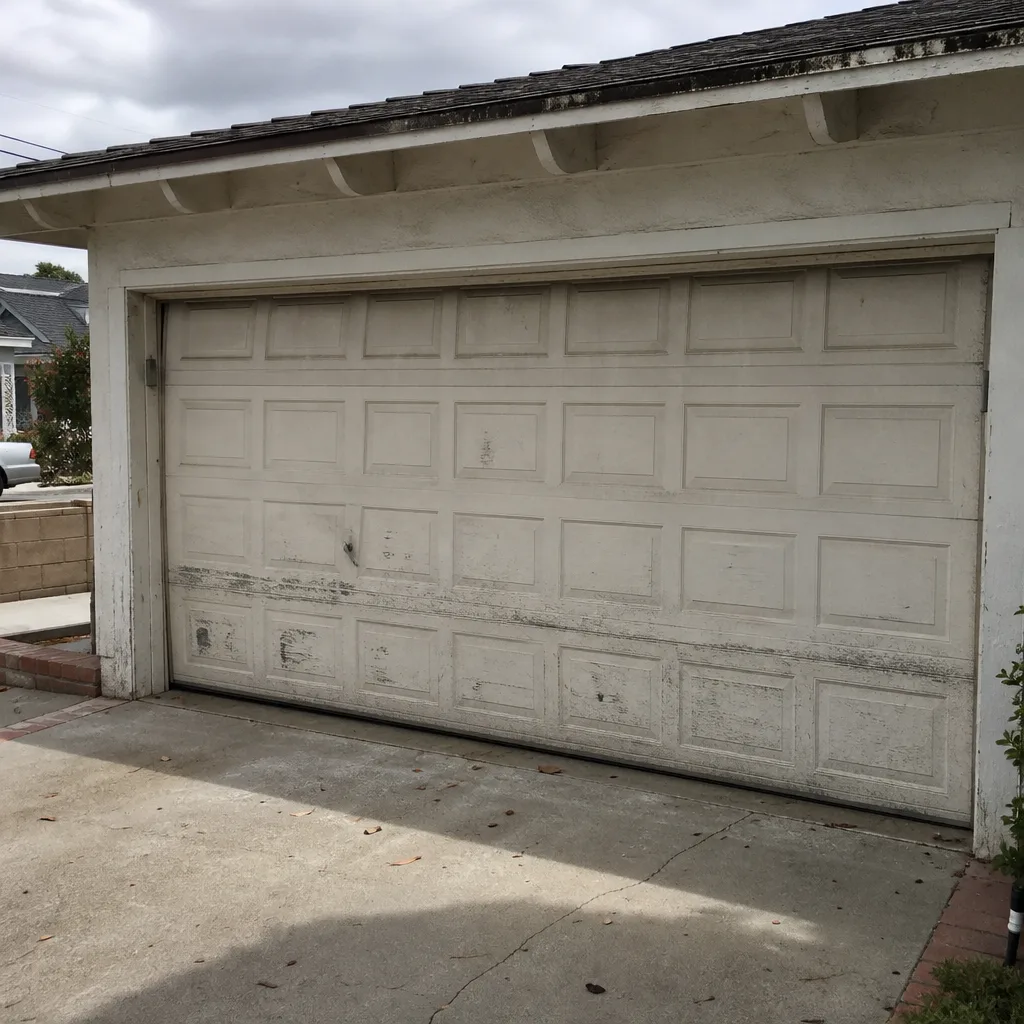 Before
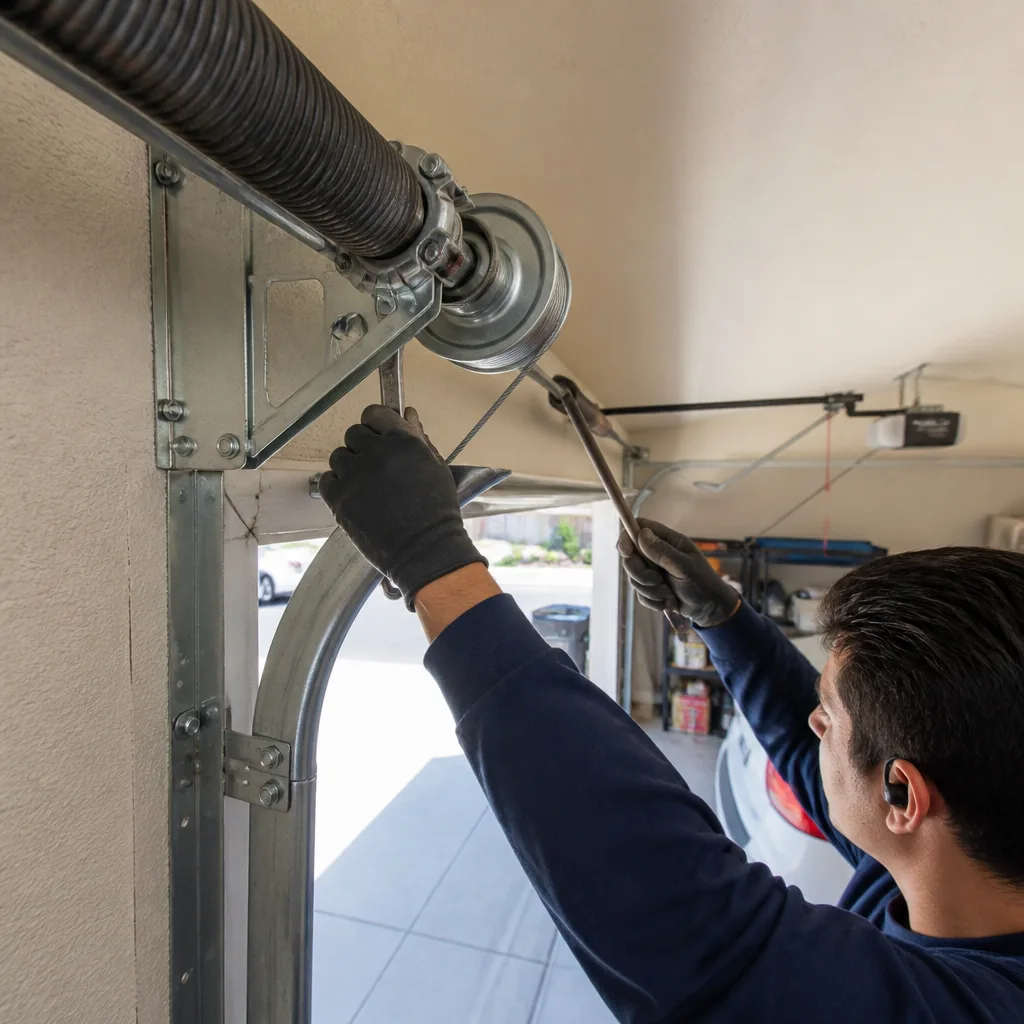 After
After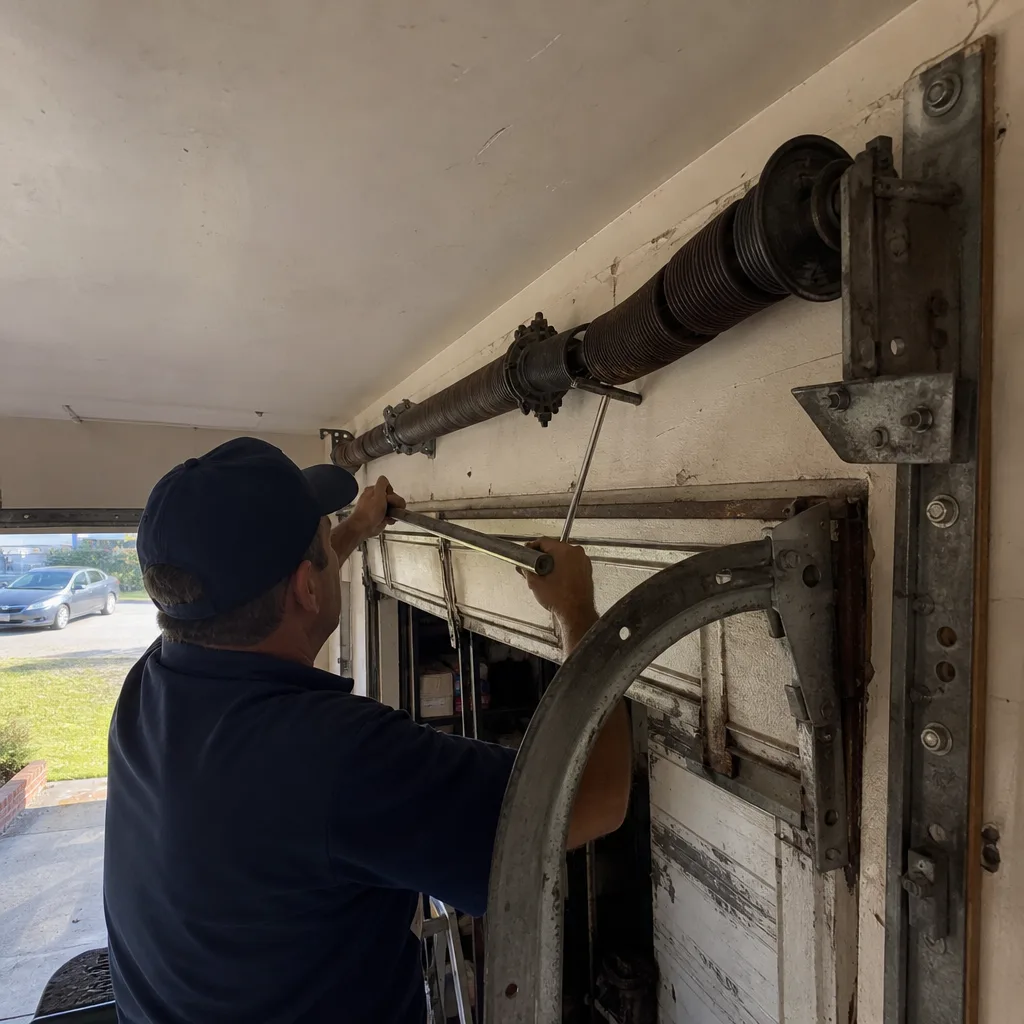 Before
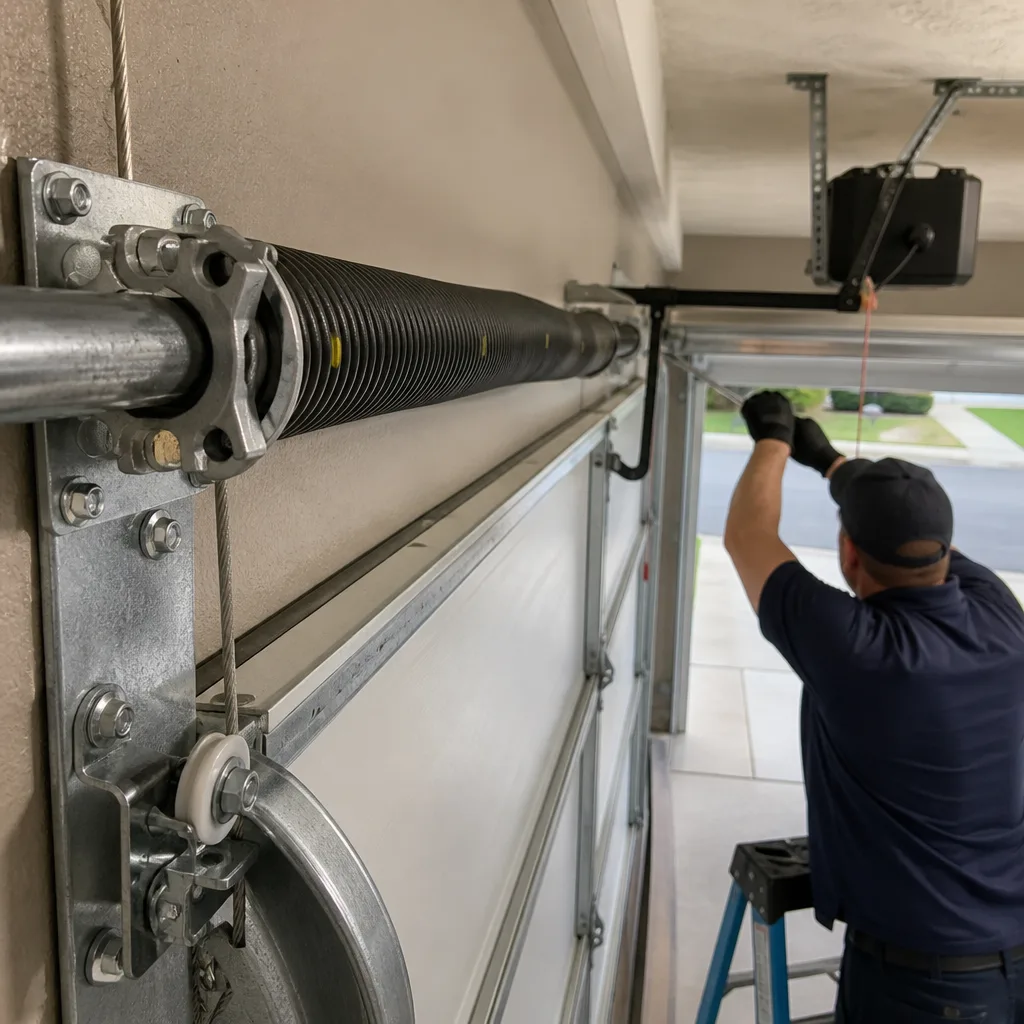 After
After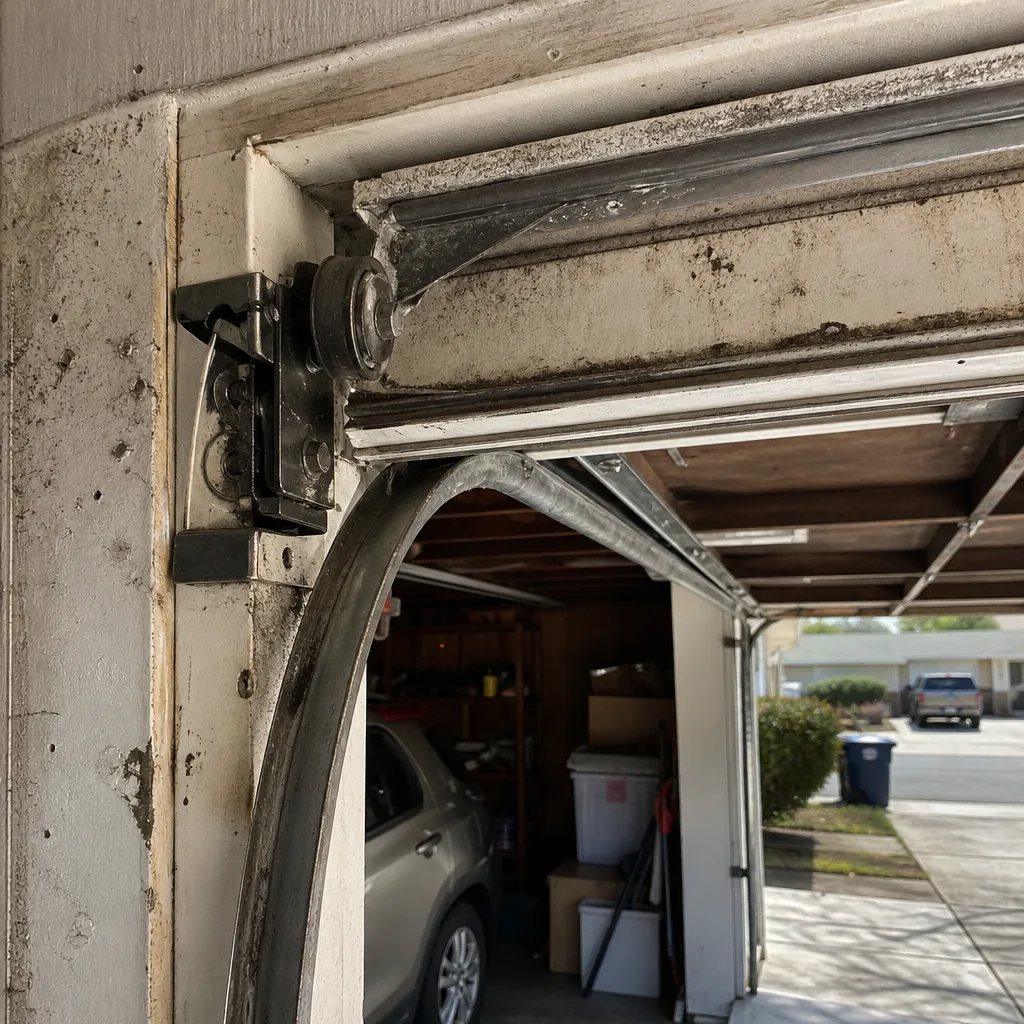 Before
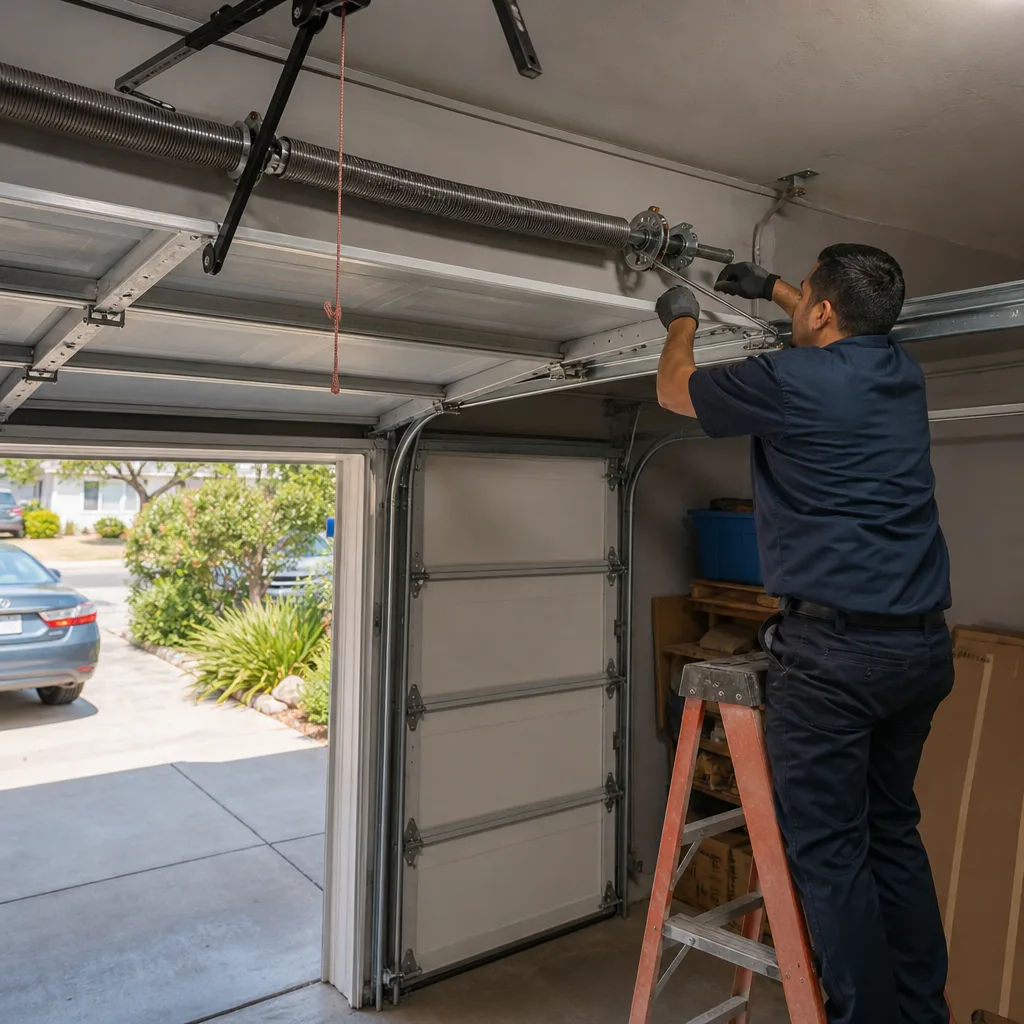 After
After